
Top Rated Fleet Maintenance
Mobile Tire Rotation in Lafayette, LA
Request A Free Audit
Fill out the form below and our fleet experts will contact you shortly.

Maximizing ROI
Benefits of a Fleet Tire Rotation Program
Rotation is not busywork. These returns apply to any operation running commercial rubber, whether you own six trailers or six hundred casings, and they are why a fleet tire rotation service earns its place on the schedule:

Tire life extends
Drive and steer positions wear at different rates. Moving casings through positions on schedule distributes that wear instead of concentrating it, and casings that wear evenly last longer.
Cost per mile drops
ARI is the former name for Holman’s fleet management business, and older paperwork still uses it. Whether your documentation says ARI or Holman, we support the same current service-vendor workflow.
Casings stay retreadable
Element manages mixed light-, medium-, and heavy-duty fleets. As an Element service vendor, we work within their approval and reporting requirements, supporting multiple vehicle classes under the same fleet account.
Violations drop
Tread depth and tire condition are among the first items inspector checks, and tire defects put units out of service quickly.
Roadside blowouts decline
Most catastrophic tire failures trace back to underinflation, overloading, or wear that someone should have caught. Scheduled service catches it.
Fuel economy improves
Underinflated and irregularly worn tires increase rolling resistance. Correct pressure and even wear recover fuel every mile your fleet runs.
Maximizing ROI
What Our Commercial Truck Tire Service in Lafayette Includes
Every commercial truck tire service in Louisiana visit follows the same sequence, whether the unit is a technician's pickup or a loaded Class 8 tractor:
Tread depth measured at every position and logged against the unit
Rotation performed to the correct pattern for the axle configuration and tire type
Inflation set to load-specific pressure, not a single number applied fleet-wide
Lug nuts torqued to specification with calibrated tooling, and retorque guidance provided
Dual assemblies checked for diameter matching so paired tires share load correctly
Valve stems, caps, and TPMS sensors inspected and serviced
Wheels and rims examined for cracks, corrosion, bent flanges, and elongated bolt holes
Wear patterns documented with notes on likely mechanical causes
Hub oil levels and seal condition checked while the technician is at the wheel end
Comprehensive Process
Benefits of a Mobile Program Vendor
Every commercial truck oil change in Lafayette we perform follows the same process, whether the unit is a technician's pickup or a Class 8 tractor:
Downtime collapses: The unit never leaves your lot. You skip transport, queue time, and the return trip that a shop visit always adds on top of the actual repair.
Oil filter replacement using filters matched to the engine, not universal substitutes
Fuel filter and water separator service where the interval calls for it
All fluid levels checked and topped off (coolant, transmission, differential, power steering, washer, and DEF)
Tire pressure and tread inspection across every position
Belts, hoses, and air filter restriction checked for wear and service life
Battery terminals, lighting, and wipers verified
Visual leak and undercarriage check while the unit is drained
Service logged against the unit, with the next due interval recorded
We select oil by application. Modern diesels run API CK-4 or FA-4 grades depending on engine and OEM guidance, and mixing those decisions up creates warranty exposure.
Fleet Coverage
Which Units We Service
Our fleet oil change covers mixed rosters without splitting them across vendors:

Class 7 and 8
Tractors and heavy trucks

Dump & Flatbeds
Equipment haulers

Box & Straight Trucks
Delivery service
Service Trucks
Work vans & pickups
Light-Duty
Pool vehicles
Yard Equipment
Support machinery
Every class above belongs on the same scheduled visit, including the pool vehicles that usually escape any formal cycle.
Why Choose Champion Lube
and Repair for Tire Service

We measure, we do not estimate
Tread depth gets recorded at every position on every visit. Over time that data predicts your replacements instead of surprising you with them.
We match duals properly
Paired tires with mismatched diameters force the larger casing to carry disproportionate load and scrub the smaller one. We check it every time.
Wear patterns get diagnosed, not just noted
Cupping, feathering, and shoulder wear point at specific mechanical faults. Our technicians read them and tell you what to inspect.
Inflation is set to load
Pressure gets matched to the axle to load the tire carries, because a blanket of PSI across a mixed fleet is wrong for most of it.
Casing value gets protected
We flag conditions that threaten retread eligibility while the casing can still be saved.
Tire work connects to the rest of the truck
Because we also handle preventive maintenance and inspection, a tire finding does not sit in isolation from the suspension component causing it.
Comprehensive Process
Why Rotation Intervals Are
Not One Number
A commercial tire service in Louisiana that applies at the same interval to every unit is guessing. Real intervals depend on five variables:
Axle configuration
A Tandem-drive Tractor Rotates Differently Than A Single-axle Box Truck
Load profile
Consistently Heavy Loads Accelerate Drive-position Wear
Route type
Highway Miles Wear Evenly; Stop-and-go And Lease Roads Do Not
Tire type and compound
Drive, Steer, Trailer, And All-position Casings Behave Differently
Duty cycle
Heavy Turning In Yards And Jobsites Scrubs Tread Far Faster Than Mileage Predicts
Diesel-First Expertise
We service Class 8 equipment, trailers, heavy-duty vehicles, and light-duty fleets.
How Our Mobile Tire Rotation Works
1
Send Your Fleet List
Units, axle configurations, tire sizes, and current condition if known.
2
We baseline the fleet
First visit measures and records every position across every unit.
3
We set intervals per unit
Based on configuration, route, and measurement of wear rate.
4
We service on your schedule
Nights and weekends are standard for fleet accounts.
5
We document and report
You receive tread depth by position, wear notes, and replacement forecasts.
Comprehensive Process
Frequently Asked Questions
Got questions? We have answers. Learn more about our fleet maintenance services below.
How often should commercial truck tires be rotated?
It varies by axle configuration, load, and route. Many heavy fleets rotate somewhere between 30,000 and 50,000 miles, though yard and jobsite equipment often needs shorter intervals. We set the interval from measured wear rates on your specific units.
Does your fleet tire rotation service include replacement?
Our focus is rotation, measurement, and condition management. When measurements show a casing has reached the end of its service life, we flag it with lead time, so replacement gets scheduled rather than handled as an emergency.
What does irregular wear tell you about a truck?
A great deal. Feathering usually indicates alignment issues, cupping points toward suspension or shock problems, and one-sided wear suggests camber or bent components. We document the pattern and identify what to inspect.
Do you handle retorque after service?
We torque to specifications with calibrated tooling and provide retorque guidance for your drivers. On accounts where we service regularly, retorque verification gets built into the following visit as standard practice.
Can a commercial tire service in Louisiana visit cover pressure checks only?
Yes. Pressure and tread checks can run as a standalone service or bundle into other scheduled work. Many fleets add pressure verification to oil service visits, which costs almost nothing and catches slow leaks early.
Do you work on TPMS-equipped units?
Yes. Sensors, valve stems, and caps get inspected during service. We note faults and non-functioning sensors in your report so they can be addressed rather than ignored until the system stops being useful.
What documentation does a commercial truck tire service in Louisiana visit produce?
Tread depth by wheel position, pressures set, torque confirmation, wear pattern notes, and flagged replacement candidates with estimated remaining life. Everything logs against the unit so history accumulates across visits.
Have More Questions?
Contact us with your questions and feedback; we are here to assist you with all of your automotive care.
-
Available 24/7 for emergencies!
-
+1888-876-6748
-
[email protected]
Comprehensive Process
Latest from the Blog

How Often Should Fleet Vehicles Be Serviced?
Learn how often fleet vehicles should be serviced based on mileage, vehicle type, driving conditions, manufacturer recommendations, and usage. ...more
Blog
October 09, 2026•9 min read

Fleet Maintenance Schedule by Mileage and Vehicle Type
Create a fleet maintenance schedule by mileage and vehicle type with service intervals, inspections, and tips to help reduce fleet downtime. ...more
Blog
October 09, 2026•8 min read
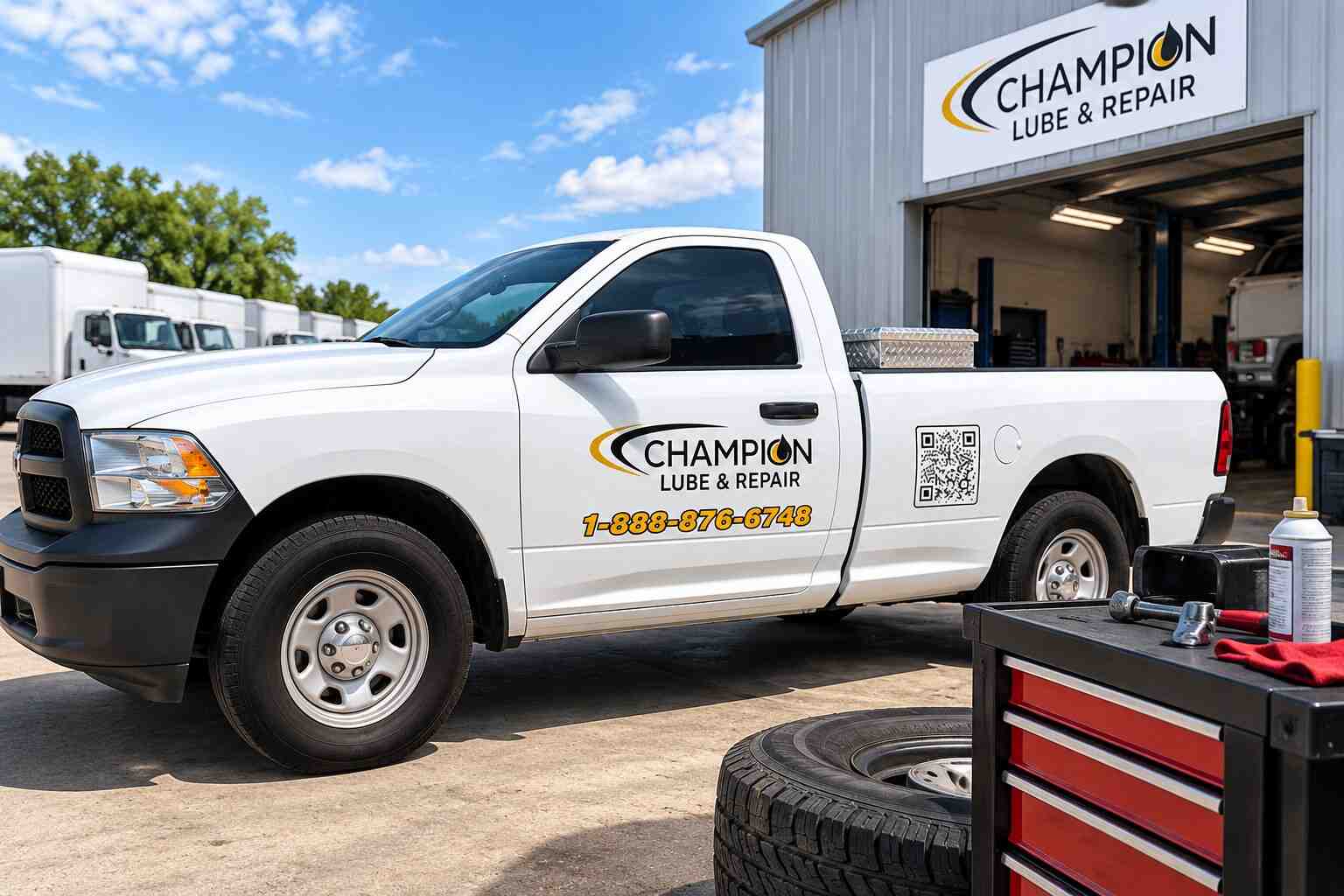
How to Build a Preventive Maintenance Program for a Commercial Fleet
Build a preventive maintenance program for your commercial fleet to cut breakdowns and costs. Follow these steps and start improving uptime today. ...more
Blog
September 30, 2026•8 min read
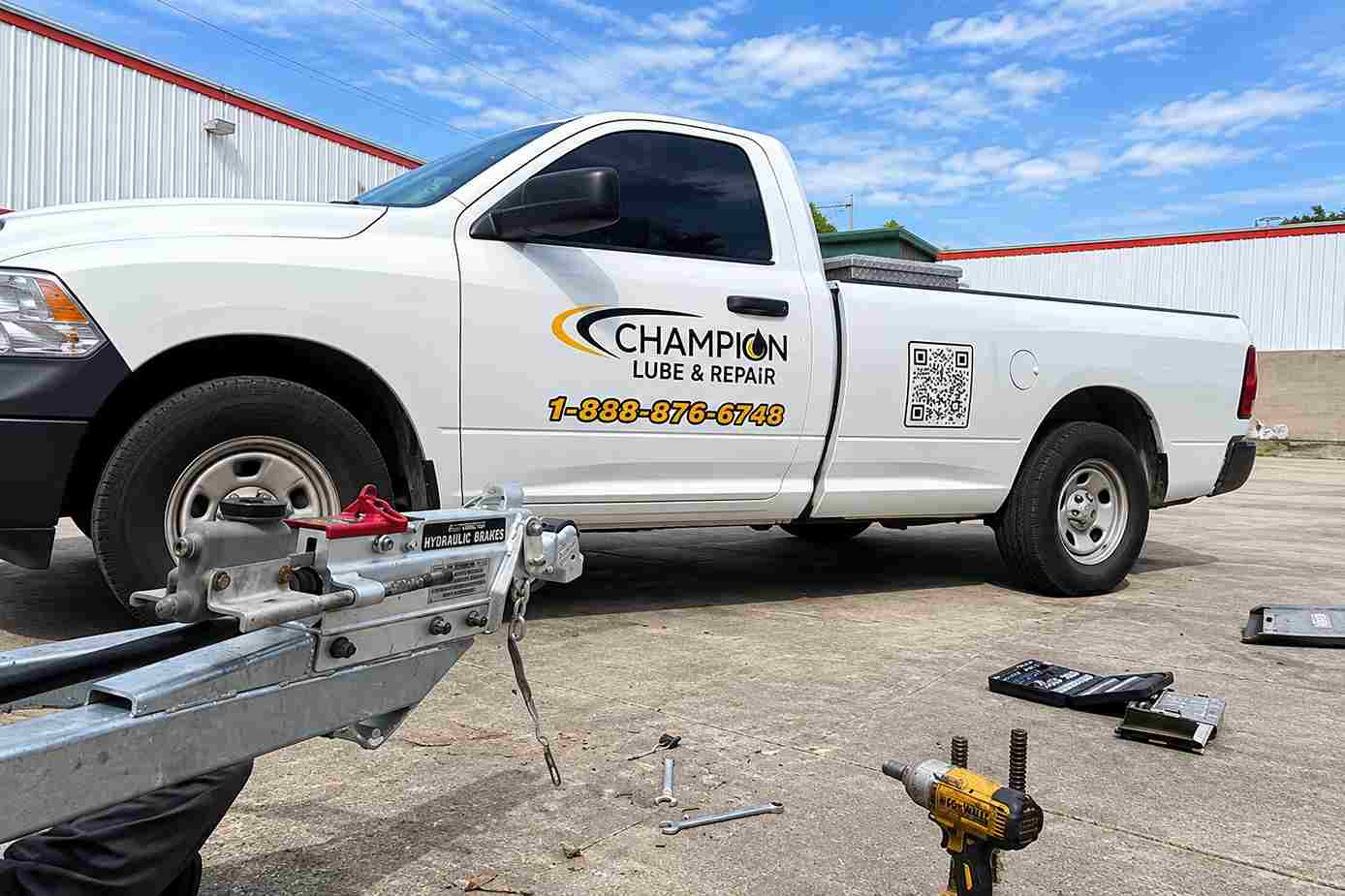
10 Signs Your Fleet Maintenance Program Needs Attention
Spot breakdowns, missed services, and rising costs early. Learn 10 signs your fleet maintenance program needs attention—take action today. ...more
Blog
September 30, 2026•9 min read
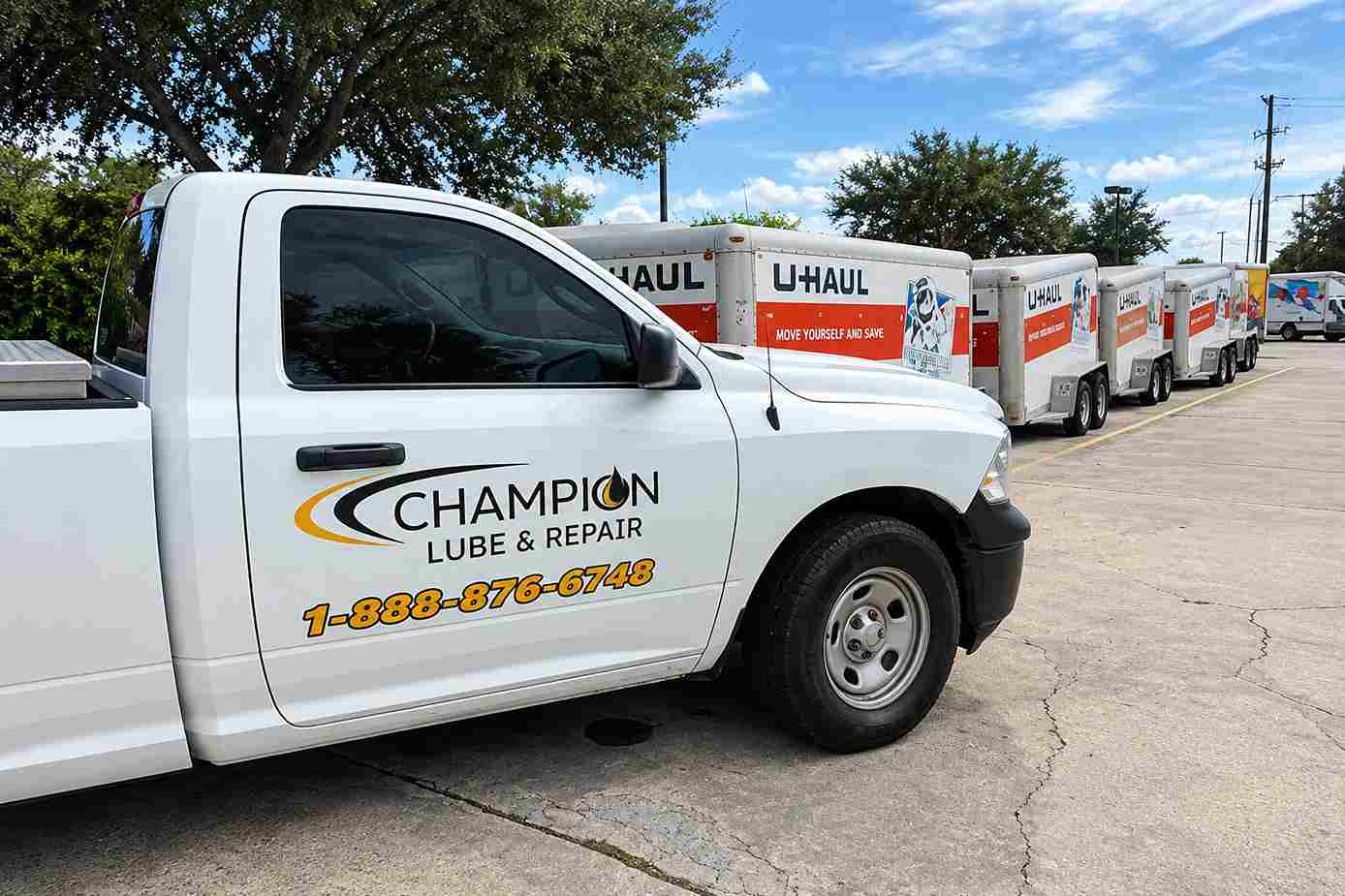
How to Choose a Mobile Fleet Repair Provider
Learn how to choose the right mobile fleet repair provider to cut downtime and costs. Compare experience, response time, and service—read now! ...more
Blog
September 30, 2026•7 min read
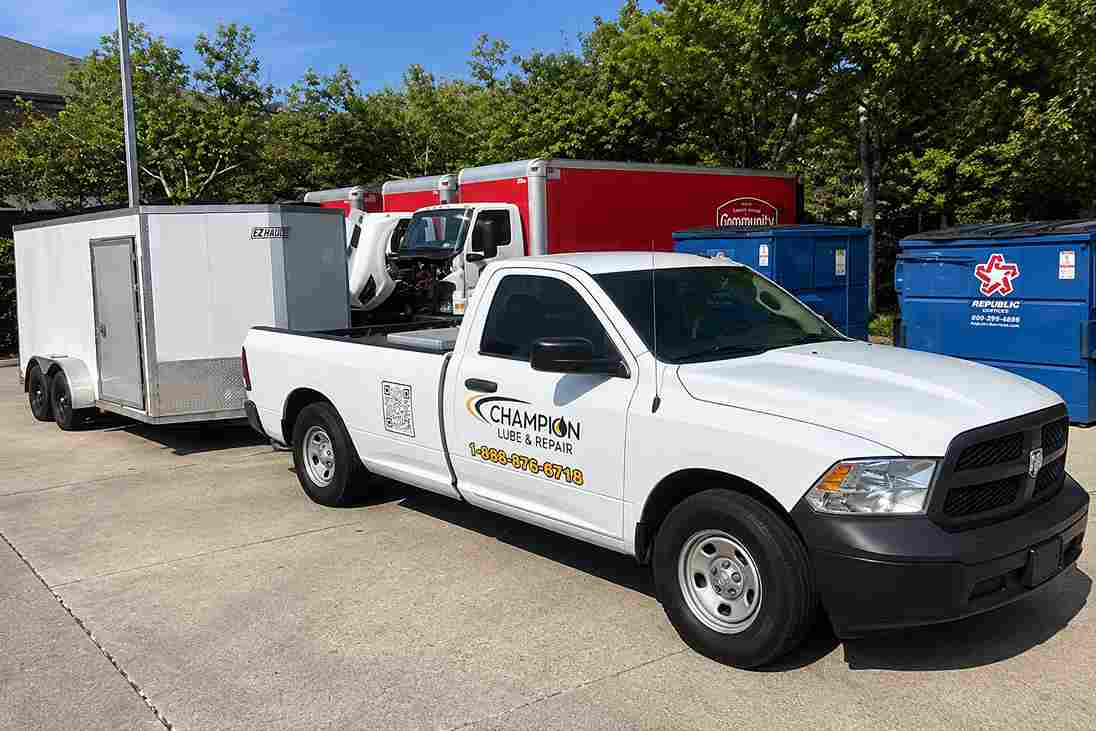
Fleet Preventive Maintenance Checklist: What to Inspect and When
Use this fleet preventive maintenance checklist to cut downtime and stay DOT-compliant. See what to inspect and when—start optimizing today. ...more
Blog
September 30, 2026•8 min read
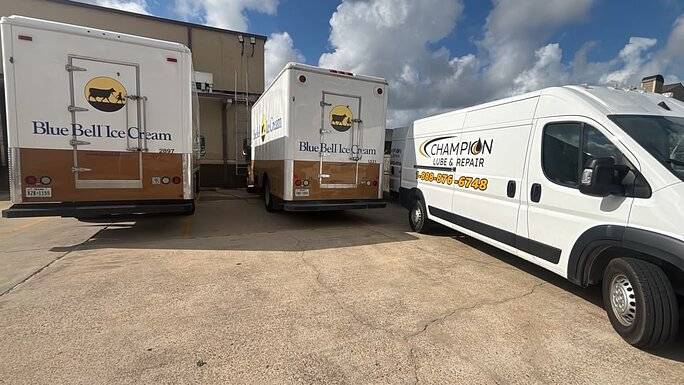
What Fleet Repairs Can Be Done On-Site?
Discover common on-site fleet repairs and maintenance a mobile mechanic can handle—helping reduce downtime, missed deliveries, and costs. ...more
Blog
September 30, 2026•10 min read
Mobile Fleet Repair vs. a Traditional Repair Shop: Which Is Better for Fleets?
Compare mobile fleet repair vs. traditional repair shops to cut downtime and costs. Learn which option fits your fleet needs read now. ...more
Blog
September 21, 2026•11 min read
The Hidden Cost of Ignoring Fleet Oil Intervals - Copy - Copy - Copy - Copy - Copy - Copy
Read the full breakdown of how bringing the lube bay to the yard transformed operating capacity for a local logistics company... ...more
Blog
September 10, 2026•1 min read
The Hidden Cost of Ignoring Fleet Oil Intervals - Copy - Copy - Copy
Read the full breakdown of how bringing the lube bay to the yard transformed operating capacity for a local logistics company... ...more
Blog
September 09, 2026•1 min read
The Hidden Cost of Ignoring Fleet Oil Intervals - Copy - Copy - Copy - Copy
Read the full breakdown of how bringing the lube bay to the yard transformed operating capacity for a local logistics company... ...more
Blog
September 09, 2026•1 min read
The Hidden Cost of Ignoring Fleet Oil Intervals - Copy - Copy - Copy - Copy - Copy
Read the full breakdown of how bringing the lube bay to the yard transformed operating capacity for a local logistics company... ...more
Blog
September 09, 2026•1 min read
The Hidden Cost of Ignoring Fleet Oil Intervals - Copy - Copy - Copy - Copy - Copy - Copy
Read the full breakdown of how bringing the lube bay to the yard transformed operating capacity for a local logistics company... ...more
Blog
September 09, 2026•1 min read
The Hidden Cost of Ignoring Fleet Oil Intervals - Copy - Copy
Read the full breakdown of how bringing the lube bay to the yard transformed operating capacity for a local logistics company... ...more
Blog
September 09, 2026•1 min read
The Hidden Cost of Ignoring Fleet Oil Intervals - Copy
Read the full breakdown of how bringing the lube bay to the yard transformed operating capacity for a local logistics company... ...more
Blog
September 09, 2026•1 min read
The Hidden Cost of Ignoring Fleet Oil Intervals
Read the full breakdown of how bringing the lube bay to the yard transformed operating capacity for a local logistics company... ...more
Blog
September 09, 2026•1 min read
Find Out What Your Fleet's Tires
Are Actually Costing You
Most fleets cannot answer a simple question: what is your cost per mile on tires? The data usually sits scattered across invoices from three vendors.
Let us baseline your roster with an on-site tire rotation for fleets built around measurement. We will record every position on every unit, document current condition, and give you a written picture of where your tire spend is going and which units are consuming it fastest. You will know what to replace, what to rotate, and what to stop buying.
Regional Coverage
Our Primary Service Territories
Champion Lube and Repair brings professional fleet maintenance directly to your yard
across Louisiana, Texas, and Mississippi.
Select A Region