How to Reduce Fleet Downtime Without Increasing Maintenance Headcount
For businesses that rely on commercial vehicles, every hour a truck, van, or service vehicle spends in the shop can affect daily operations. Missed deliveries, delayed appointments, disrupted routes, and higher labor costs can quickly add up. Keeping fleet vehicles available and road-ready is therefore an important part of efficient fleet management.
Traditional repair methods often require a vehicle to be driven or towed to a repair facility. This can take valuable time, especially when the problem occurs during a route or at a remote job site. Mobile fleet repair offers a practical alternative by bringing maintenance and repair services directly to the vehicle.
Businesses can reduce fleet downtime with mobile repair by addressing many maintenance needs where the vehicle is parked. This approach can help fleet managers respond to mechanical issues faster, maintain vehicles more consistently, and keep operations moving.
What Is Mobile Fleet Repair?
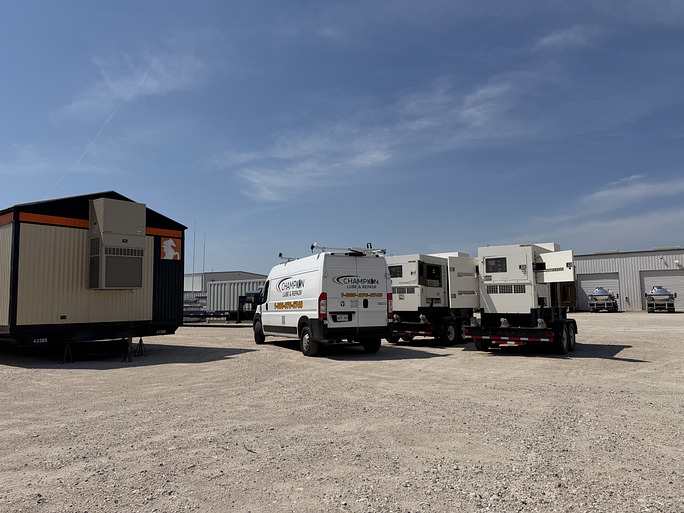
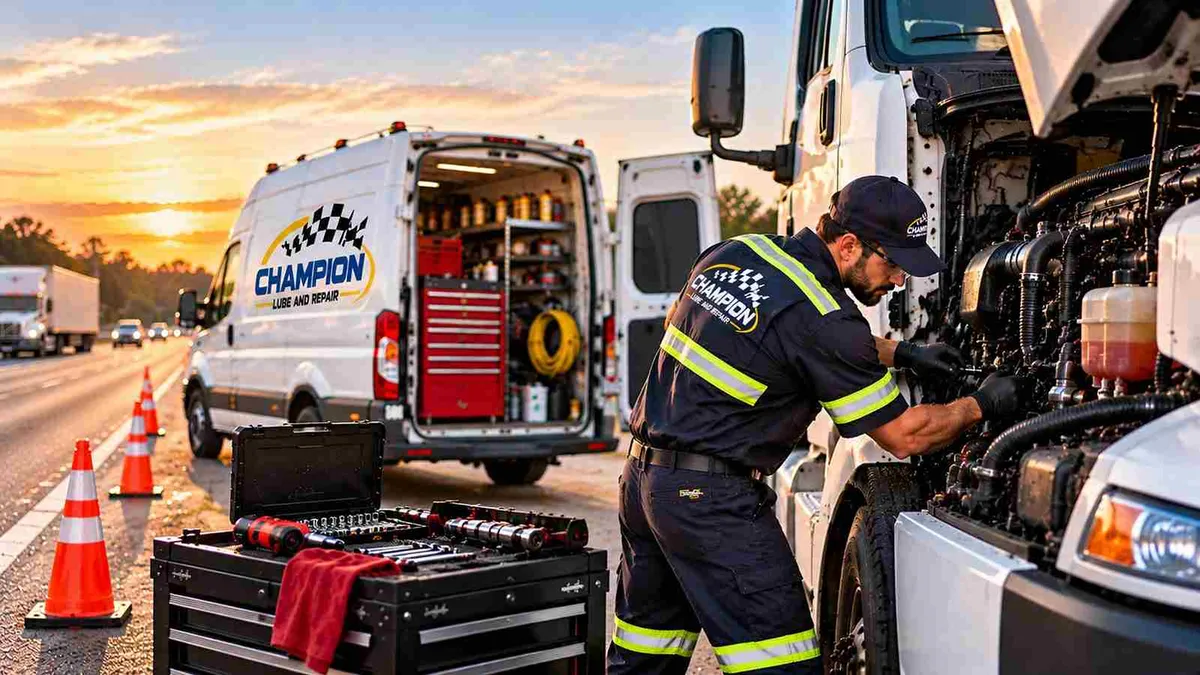
Mobile fleet repair is a service that provides vehicle maintenance and repair at a fleet's location. Instead of requiring every vehicle to travel to a repair shop, a mobile technician comes to the vehicle with the necessary tools and equipment. Services may include routine maintenance, inspections, lubrication, fluid services, battery-related work, minor repairs, and other mechanical services depending on the vehicle and the issue.
Mobile repair can be particularly useful for businesses with multiple commercial vehicles. Fleet vehicles may be spread across different locations, parked at a company facility, or temporarily stopped at a job site. Having maintenance performed where the vehicle is located can eliminate unnecessary travel and simplify scheduling.
Why Vehicle Downtime Is a Serious Fleet Problem
Vehicle downtime is more than the time a vehicle spends being repaired. It can create a chain reaction throughout a business. When one vehicle becomes unavailable, another vehicle may need to cover its route. If a replacement is unavailable, deliveries or service appointments may need to be rescheduled. Drivers and other employees may also lose productive time while waiting for repairs.
Unexpected breakdowns can be even more disruptive. A vehicle that develops a mechanical problem during a route may require towing, roadside assistance, and a trip to a repair facility. Depending on the problem, the repair process may take considerably longer than expected. For fleets that operate on tight schedules, preventing avoidable downtime is an important operational priority.
How Mobile Repair Helps Keep Vehicles on the Road
One of the biggest advantages of mobile fleet repair is convenience. The technician travels to the vehicle instead of making the vehicle travel to the repair facility. This simple change can save time in several ways.
1. Eliminates Unnecessary Trips to the Shop
A vehicle does not always need to be physically transported to a repair facility for routine service or certain repairs. With mobile service, a technician can often perform the work at the fleet's parking location.
This means drivers do not necessarily have to spend part of their workday driving to a repair shop and waiting for service. Fleet managers can also avoid arranging transportation for vehicles that are temporarily out of service. For routine maintenance, this can make scheduling much easier.
2. Makes Routine Maintenance More Convenient
Preventive maintenance is one of the most effective ways to limit unexpected mechanical problems. However, maintaining a large fleet can be challenging when every vehicle has different mileage, operating conditions, and service requirements.
On-site vehicle maintenance allows businesses to schedule services around their operations. Vehicles can potentially be serviced while they are parked at a fleet yard or during other periods when they are not being used. This helps fleet managers integrate maintenance into normal operations instead of waiting for a vehicle to develop a problem.
3. Helps Address Problems Before They Become Major Repairs
Small maintenance issues can become larger problems when they are ignored. A warning light, unusual noise, worn component, fluid issue, or other symptom may initially seem minor. Continuing to operate the vehicle without addressing the issue can potentially lead to more extensive repairs or an unexpected breakdown.
Regular inspections and timely service can help identify maintenance needs earlier. Mobile technicians can address appropriate issues where the vehicle is located, reducing the need to delay service simply because getting the vehicle to a shop is inconvenient.
4. Reduces Towing and Transportation Delays
A disabled commercial vehicle can create significant scheduling challenges. If it cannot be driven safely, the fleet manager may need to arrange towing before a technician can begin working on it.
When mobile repair is available for an appropriate situation, a technician can travel directly to the vehicle. This can reduce the number of steps involved in getting the repair started.
Not every mechanical problem can be repaired on-site. Major engine, transmission, or specialized repairs may still require shop equipment. However, mobile service can be an effective option for many maintenance tasks and certain repairs.
5. Supports Fleet Downtime Reduction
Fleet downtime reduction depends on more than responding quickly to breakdowns. It also involves creating a maintenance process that makes it easier to keep vehicles in service. Mobile repair supports this goal by bringing maintenance closer to the fleet. Instead of treating maintenance as a separate activity that requires vehicles to leave their normal operating environment, businesses can incorporate service into their regular schedules. This can make preventive maintenance easier to manage and help reduce delays associated with routine servicing.
Mobile Repair and Preventive Maintenance
Preventive maintenance is especially important for commercial fleets because vehicles often accumulate significant mileage and operate under demanding conditions. Depending on the vehicle and manufacturer's recommendations, scheduled maintenance may include services such as oil and filter changes, lubrication, fluid checks, battery inspections, brake inspections, tire-related checks, and other routine procedures.
The exact maintenance schedule should be based on the vehicle manufacturer's recommendations, operating conditions, mileage, and fleet policies. Mobile maintenance can make these services more accessible. For example, a fleet manager may schedule several vehicles for service at the company's facility instead of coordinating separate trips to a repair shop. That can simplify fleet maintenance while minimizing disruption to daily operations.
The Financial Impact of Vehicle Downtime
Downtime has both direct and indirect costs. Direct costs may include towing, emergency repairs, replacement transportation, or additional labor. Indirect costs can include missed deliveries, delayed customer service, lost productivity, and changes to employee schedules. The longer a vehicle remains unavailable, the greater the potential operational impact.
Mobile repair does not eliminate every source of downtime. Mechanical failures can still happen, and some repairs require specialized facilities. However, making routine maintenance and appropriate repairs more convenient can help businesses address issues sooner. Over time, a consistent maintenance approach can contribute to more predictable fleet operations.
How Fleet Managers Can Use Mobile Repair Effectively
Mobile repair works best when it is integrated into an overall fleet maintenance strategy. Fleet managers can begin by maintaining accurate service records for every vehicle. These records can help track mileage, previous repairs, maintenance intervals, and recurring issues. It is also useful to identify vehicles that require frequent service or operate under particularly demanding conditions. These vehicles may benefit from closer maintenance monitoring.
Scheduling service during planned downtime is another practical strategy. For example, vehicles may be serviced while they are parked overnight, during scheduled breaks, or while they are already at a company facility. Fleet managers should also distinguish between routine maintenance and repairs that require a full-service shop. Mobile repair is not intended to replace every type of automotive or commercial vehicle repair. Instead, it provides another option for maintaining and repairing vehicles efficiently.
When Is Mobile Fleet Repair Most Useful?
Mobile fleet repair can be especially valuable for businesses that operate multiple vehicles or have vehicles working across different locations.
It can be useful for:
Delivery and logistics fleets
Construction companies
Service businesses
Contractors
Transportation operations
Landscaping companies
Utility and field-service fleets
Businesses with multiple work vehicles
It can also be useful when a vehicle cannot easily be taken out of service for an extended period. For example, a fleet vehicle parked at a company facility may be available for maintenance without requiring a driver to take it to a repair shop. Similarly, certain issues that occur away from a traditional facility may be easier to address with a mobile technician.
Choosing a Mobile Fleet Repair Provider
When selecting a mobile repair provider, fleet managers should consider the types of vehicles the provider services and the maintenance needs of the business. Availability is another important consideration. Fleet operations may involve early starts, long routes, and changing schedules, so a provider should have a service process that fits the fleet's operational requirements.
Businesses should also ask about preventive maintenance services, repair capabilities, service areas, scheduling, and documentation. Clear communication is important as well. A reliable maintenance partner should help fleet managers understand what work is needed and when additional repairs may be necessary. Champion Lube and Repair provides maintenance and repair support designed to help vehicle owners and businesses keep their vehicles operating reliably.
Creating a More Efficient Fleet Maintenance Routine
Reducing downtime starts with consistency. Waiting until a vehicle breaks down can make maintenance more disruptive and expensive than necessary. A better approach is to establish a regular maintenance routine, monitor vehicle condition, and address issues as they appear.
Mobile repair can support this process by making service more accessible. Instead of treating maintenance as something that always requires a trip to a repair facility, fleet managers can use on-site service when it is appropriate. The result is a maintenance process that can fit more naturally into daily fleet operations.
Conclusion
Keeping commercial vehicles available is essential for businesses that depend on reliable transportation. Unexpected breakdowns and lengthy shop visits can interfere with routes, schedules, customer service, and productivity.
Mobile fleet repair offers a convenient way to handle many maintenance and repair needs where vehicles are located. By reducing unnecessary transportation, supporting preventive maintenance, and allowing technicians to address appropriate issues on-site, businesses can reduce fleet downtime with mobile repair and create a more efficient maintenance routine.
If your fleet needs reliable on-site maintenance or repair support, contact Champion Lube and Repair today. Our team can help you find a practical service approach that keeps your commercial vehicles operating and your business moving.
Frequently Asked Questions
1. What is mobile fleet repair?
Mobile fleet repair is a maintenance and repair service performed at the vehicle's location. A technician travels to the fleet yard, workplace, job site, or another suitable location instead of requiring the vehicle to visit a traditional repair facility.
2. How does mobile repair help reduce fleet downtime?
Mobile repair can reduce downtime by eliminating unnecessary trips to a repair shop for services that can be completed on-site. It can also make routine maintenance easier to schedule and allow certain problems to be addressed sooner.
3. What is included in on-site vehicle maintenance?
Depending on the provider and vehicle, on-site vehicle maintenance may include routine service, lubrication, fluid-related services, inspections, battery services, and other maintenance tasks. The available services depend on the vehicle and the specific maintenance requirement.
4. Can every fleet repair be completed with mobile service?
No. Some repairs require specialized equipment, extensive disassembly, or a controlled shop environment. In those cases, the vehicle may need to be transported to a repair facility. Mobile service is best suited to maintenance and repairs that can be safely and properly completed at the vehicle's location.
5. How can businesses improve fleet downtime reduction?
Businesses can improve fleet downtime reduction by following preventive maintenance schedules, monitoring vehicle condition, keeping accurate service records, addressing problems early, and using convenient service options such as mobile repair when appropriate.