What Fleet Repairs Can Be Done On-Site?
When a fleet vehicle breaks down, sending it to a traditional repair shop can take valuable time out of your schedule. For businesses that depend on trucks, vans, and service vehicles every day, downtime can quickly affect deliveries, customer appointments, and operating costs. That is where on-site fleet repair services can make a major difference.
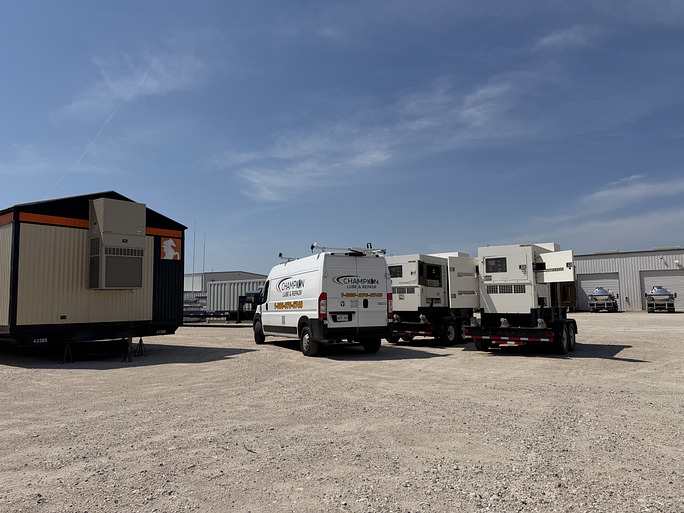
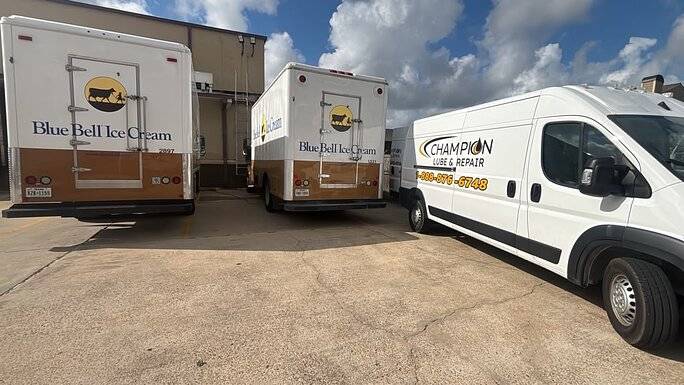
Instead of moving vehicles to a shop, a qualified mobile mechanic can come directly to your yard, workplace, parking area, or another approved location. Many common repairs and maintenance tasks can be completed where your vehicles are already parked.
From battery problems and brake repairs to inspections and routine maintenance, mobile fleet repairs give businesses a practical way to keep vehicles moving while reducing unnecessary downtime.
What Are On-Site Fleet Repair Services?
On-site fleet repair services allow a mechanic or repair team to perform vehicle maintenance and repairs at the customer's location. Rather than requiring a fleet manager to arrange transportation for every vehicle, the technician brings the necessary tools and equipment to the fleet. This approach is especially useful for businesses with multiple vehicles. A mechanic may be able to service several vehicles during one visit, helping fleet managers avoid repeated trips to a repair facility.
Depending on the vehicle and the repair required, technicians can handle many services directly at a fleet yard or other convenient location. The goal is simple: repair and maintain fleet vehicles without creating more downtime than necessary.
What Repairs Can Be Completed On-Site?
Not every repair can be performed outside a fully equipped shop. However, many common fleet problems can be diagnosed, repaired, or maintained on location.
Here are some of the most common examples.
1. Battery Replacement and Electrical Repairs
Battery issues are common causes of fleet vehicle downtime. A weak battery can prevent a vehicle from starting and leave a driver waiting for assistance. With on-site fleet repair services, technicians can test batteries, inspect charging systems, replace batteries, and address certain electrical problems at the vehicle's location.
This can be especially helpful when several fleet vehicles are parked at the same facility. Instead of arranging transportation for a vehicle that will not start, a mobile mechanic can inspect it where it sits.
2. Brake Repairs and Maintenance
Brakes are one of the most important safety systems on any fleet vehicle. Worn brake pads, damaged components, or other brake problems should be addressed as soon as they are identified. Depending on the vehicle and the required repair, mobile technicians may perform brake inspections, replace brake pads and related components, and address other routine brake service needs. Regular brake inspections can also help fleet managers identify problems before they become more expensive repairs.
3. Tire Services
Fleet vehicles can experience everything from low tire pressure to worn or damaged tires. Tire problems can create safety concerns and may keep a vehicle out of service. Some mobile fleet repairs can include tire inspections, tire replacement, rotation, balancing, and other applicable tire services. Having tire work completed at your location can save time, particularly when multiple vehicles need attention.
4. Oil Changes and Fluid Services
Routine oil changes are an important part of preventive vehicle maintenance. Fleet vehicles often accumulate mileage quickly, making regular service even more important. Mobile technicians can often perform oil changes and inspect or replace other vehicle fluids without requiring the vehicle to travel to a repair shop. These services can be scheduled around your fleet's operating hours. As a result, maintenance may be easier to fit into a busy business schedule.
On-Site Fleet Maintenance Can Include Preventive Service
Repairs are only one part of keeping a fleet reliable. Preventive maintenance can help identify small problems before they turn into major breakdowns.
Depending on the vehicle and service provider, fleet maintenance services may include:
Oil and filter changes
Battery testing
Brake inspections
Tire inspections
Fluid checks
Belt and hose inspections
Filter replacement
Lighting inspections
General vehicle inspections
Diagnostic checks
Preventive maintenance recommendations
Regular inspections give fleet managers a clearer picture of vehicle condition.
For example, a technician may notice uneven tire wear during a routine inspection. Addressing the issue early may help prevent premature tire replacement or a roadside breakdown later.
5. Diagnostic Services
Modern fleet vehicles rely on electronic systems to monitor engine performance, emissions, transmission operation, and other functions. When a warning light appears, guessing at the problem can be a waste time. Mobile technicians can use diagnostic equipment to identify potential issues and determine what should happen next.
Some problems may be simple enough to resolve on-site. Others may require specialized equipment available only at a full repair facility. Even when a vehicle ultimately needs shop-based work, diagnosing the issue at your location can help fleet managers understand the problem before deciding on the next step.
6. Cooling System Repairs
Overheating can quickly take a fleet vehicle out of service. Problems with coolant levels, hoses, thermostats, radiators, fans, or related components may cause engine temperatures to rise. Some cooling system inspections and repairs can be completed through fleet repair at your location, depending on the vehicle and the issue. A technician can inspect the system, identify visible problems, and determine whether the vehicle can be repaired on-site or needs additional service.
7. Belts and Hoses
Belts and hoses can wear over time due to heat, mileage, and normal use. A damaged belt or hose can sometimes lead to a vehicle breakdown if the problem is ignored. During routine maintenance, technicians can inspect these components for signs of cracking, looseness, leaks, or excessive wear. Certain replacements can be completed on-site, helping fleet operators avoid sending the vehicle to a shop for a relatively straightforward repair.
8. Lighting and Safety Checks
Fleet vehicles need properly working headlights, brake lights, turn signals, warning lights, and other safety equipment. Technicians can inspect vehicle lighting and address certain minor issues during routine service visits. These checks may seem small, but they can help fleet managers maintain safer vehicles and identify issues before they become a larger concern.
9. Minor Mechanical Repairs
Depending on the technician's equipment and the vehicle's condition, various minor mechanical repairs may also be completed on-site. Examples can include replacing worn components, correcting certain leaks, changing filters, replacing belts or hoses, and addressing other straightforward mechanical issues.
The exact services available will vary based on the vehicle, repair complexity, parts availability, and location. For major engine, transmission, or other complex repairs, the vehicle may still need to be transported to a fully equipped repair facility.
Why Choose Fleet Repair at Your Location?
The biggest advantage of fleet repair at your location is convenience. Fleet managers do not always have the time or resources to move vehicles back and forth between a job site and a repair shop. On-site service brings the technician to the fleet instead.
Reduced Vehicle Downtime
Every hour a fleet vehicle is unavailable can affect business operations. Mobile service can reduce the time spent traveling to and waiting at a repair facility.
Less Disruption to Operations
Your vehicles can often be serviced while they are parked at your facility. This can make maintenance easier to coordinate with driver schedules and daily operations.
Convenient Fleet Scheduling
Businesses can arrange service around their operating needs. When several vehicles require maintenance, grouping services into planned visits can make the process more efficient.
Faster Response to Common Problems
A vehicle that will not start does not always need to be towed to a shop. If the issue can be handled on-site, a mobile technician may be able to get the vehicle back into service more quickly.
When Should You Use Mobile Fleet Repairs?
Mobile fleet repairs are particularly useful when a vehicle has a problem that can be safely and efficiently addressed at its current location.
They can be a good option for:
Vehicles that will not start
Routine maintenance
Battery problems
Tire issues
Brake service
Warning-light diagnostics
Minor mechanical repairs
Preventive inspections
Vehicles that cannot easily leave a worksite
However, on-site repair is not suitable for every situation. Major engine failures, complex transmission repairs, extensive collision damage, or repairs requiring specialized shop equipment may require a traditional repair facility. A qualified technician can help determine the most appropriate option after inspecting the vehicle.
How On-Site Fleet Repair Services Support Preventive Maintenance
Preventive maintenance is easier when service is convenient. If maintenance requires drivers to spend hours taking vehicles to a repair shop, routine service may be delayed. Those delays can allow small problems to develop into larger and more expensive issues. With on-site fleet repair services, maintenance can take place where your vehicles are already parked.
For example, a business may schedule regular service visits for its fleet. During these visits, technicians can perform scheduled maintenance, inspect key components, and identify potential problems. This proactive approach can help fleet managers make better maintenance decisions and reduce unexpected downtime.
What Should Fleet Managers Ask Before Scheduling Service?
Before choosing a mobile repair provider, fleet managers should confirm what services can actually be performed on-site.
Ask about:
Types of vehicles serviced
Available repair services
Preventive maintenance options
Diagnostic capabilities
Parts availability
Service area
Scheduling options
Emergency or breakdown support
Warranty or service guarantees
It is also useful to explain the fleet's needs in advance. Providing vehicle types, mileage, known problems, and the number of vehicles requiring service can help the technician prepare properly.
Is On-Site Repair Better Than a Traditional Repair Shop?
The answer depends on the repair. For routine maintenance and many common mechanical issues, mobile service can be more convenient because the technician comes to your fleet. A traditional shop may be the better choice for extensive repairs that require lifts, specialized machinery, large work areas, or significant disassembly.
For many fleet operators, the best approach is not choosing one option exclusively. Instead, on-site fleet repair services can complement traditional shop repairs by handling routine and suitable repairs at the fleet's location while more complex work is directed to a shop.
Keep Your Fleet Moving With Convenient On-Site Service
Fleet downtime can quickly become a business problem. The longer a vehicle stays unavailable, the greater the potential impact on schedules, drivers, deliveries, and customers. On-site fleet repair services offer a convenient alternative for many common maintenance and repair needs. From batteries and tires to brakes, diagnostics, fluid services, and preventive inspections, many tasks can be completed where your vehicles are already parked.
For businesses that rely on multiple vehicles, this approach can make maintenance easier to schedule and help reduce unnecessary trips to a repair facility. At Champion Lube and Repair, convenient service can help fleet operators stay focused on their daily operations while keeping vehicle maintenance on track. When you need dependable support for your fleet, consider whether mobile service can handle the job before taking another vehicle off the road. Keep your fleet working and your schedule moving, contact the team today to discuss your fleet maintenance needs and find out which services can be completed at your location.
Frequently Asked Questions
1. What fleet repairs can be done on-site?
Many routine repairs can be completed on-site, including battery replacement, brake service, tire repairs, oil changes, fluid checks, diagnostics, lighting repairs, belt and hose replacement, and preventive maintenance inspections.
2. Is on-site fleet repair suitable for all types of fleet vehicles?
On-site repair is suitable for many trucks, vans, service vehicles, and commercial fleet vehicles. However, the available services depend on the vehicle type, repair complexity, and whether specialized shop equipment is required.
3. How do mobile fleet repairs reduce downtime?
Mobile fleet repairs eliminate the need to transport vehicles to a repair shop for many routine services. This helps businesses save time, reduce scheduling disruptions, and return suitable vehicles to service more efficiently.
4. When should a fleet vehicle go to a traditional repair shop instead?
Vehicles should be taken to a traditional repair shop when they require major engine repairs, transmission work, extensive structural repairs, collision repairs, or services that need heavy-duty equipment or vehicle lifts.
5. Can on-site fleet repair services include preventive maintenance?
Yes. On-site fleet repair services often include preventive maintenance such as oil and filter changes, brake inspections, battery testing, tire inspections, fluid checks, lighting inspections, and general vehicle health assessments to help prevent unexpected breakdowns.