When Should a Fleet Manager Call a Mobile Mechanic?
For fleet managers, keeping vehicles available is a daily priority. A truck, van, or service vehicle that sits idle can delay deliveries, disrupt schedules, increase labor costs, and affect customer service. That is why knowing when to call a mobile fleet mechanic can make a significant difference in fleet operations.
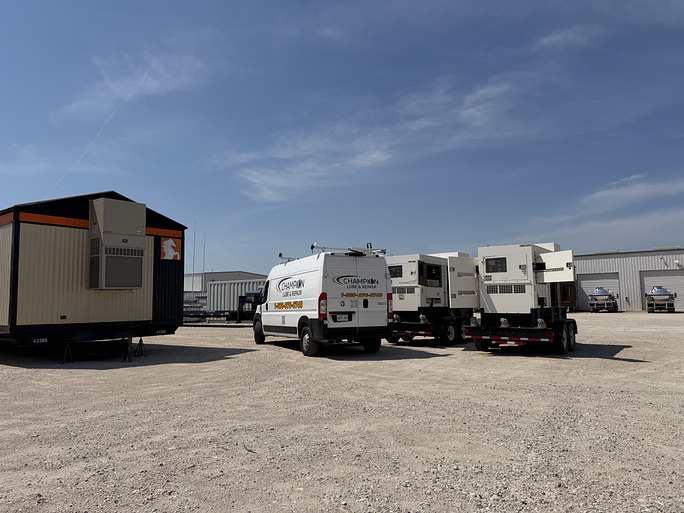
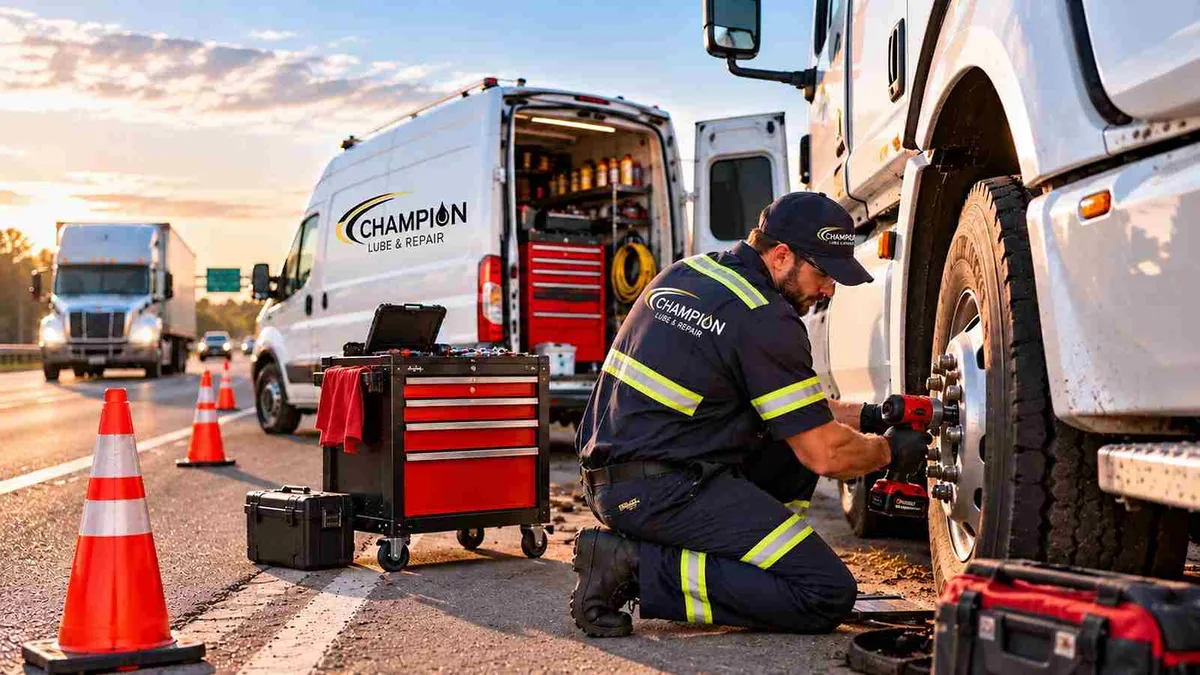
Mobile mechanics bring tools, diagnostic equipment, and repair expertise directly to the vehicle. Instead of arranging transportation to a repair facility, fleet managers can often have maintenance or repairs completed at a yard, jobsite, parking area, or other suitable location.
This approach can reduce unnecessary vehicle movement and help maintenance teams respond faster. But when should a fleet manager actually make the call? Understanding the right situations can help businesses prevent minor problems from becoming major breakdowns.
1. When a Vehicle Shows Warning Signs
One of the most important times to contact a mobile mechanic is when a vehicle begins showing signs of mechanical trouble. Drivers may notice unusual noises, vibrations, warning lights, fluid leaks, reduced braking performance, steering problems, or changes in engine performance. These symptoms should not automatically be ignored until the next scheduled maintenance appointment.
A small issue can sometimes develop into a larger mechanical failure if the vehicle continues operating under normal workloads. Having a technician inspect the vehicle early may help identify the cause and determine whether the vehicle can safely remain in service. For fleet managers, responding to warning signs quickly can also make maintenance planning easier. A vehicle can potentially be inspected while it is already parked instead of waiting for a breakdown to occur on the road.
2. When Preventive Maintenance Is Due
Fleet maintenance should not begin only after something breaks. Preventive maintenance is designed to identify and address issues before they cause unexpected downtime. Oil changes, fluid checks, tire inspections, battery checks, brake inspections, filter replacement, and other routine services can be scheduled according to manufacturer recommendations, mileage, engine hours, or operating conditions.
A fleet mobile mechanic can perform many of these services where the vehicles are already located. This is particularly useful for companies with several vehicles parked at the same facility. Instead of sending individual vehicles to a repair shop throughout the week, a business may be able to schedule multiple maintenance services during a planned service window. Mobile maintenance providers can also work during evenings, weekends, or other periods when vehicles are not needed for daily operations.
3. When a Vehicle Breaks Down at Your Facility
A vehicle does not always need to be towed to a repair shop simply because it will not start or operate properly. For example, a commercial van may fail to start in a company parking lot. A work truck may develop a battery problem at a jobsite. A delivery vehicle may experience an electrical issue while sitting at a distribution facility. In situations where the problem can be diagnosed and repaired on location, calling a mobile technician may eliminate an unnecessary towing trip.
This is one of the clearest answers to the question of when to call a mobile fleet mechanic. If the vehicle is safely accessible and the problem is suitable for mobile repair, bringing the technician to the vehicle can simplify the process. However, safety should always come first. Vehicles experiencing serious mechanical failures or unsafe conditions should not be driven simply to reach a repair facility.
4. When Several Fleet Vehicles Need Service
Fleet managers often face a scheduling challenge when several vehicles require maintenance at approximately the same time. Sending every vehicle to a shop individually can create logistical problems. Drivers may need to rearrange routes, replacement vehicles may be required, and managers may spend additional time coordinating transportation. Mobile fleet service can provide another option.
A fleet mobile mechanic can often service multiple vehicles at a business location during one scheduled visit, depending on the services required. This approach can be especially practical for delivery fleets, contractors, service companies, construction businesses, and other organizations that keep several vehicles at a central yard. Batching maintenance can help create a more predictable schedule while reducing unnecessary vehicle movement.
5. When Your Fleet Cannot Afford Extended Downtime
Every business has different operational requirements, but some fleets depend heavily on daily vehicle availability. Delivery companies need vehicles to complete scheduled routes. Contractors need trucks and vans to reach jobsites. Service businesses depend on vehicles to transport employees, tools, and equipment.
When a vehicle is unavailable, the impact can extend beyond the repair itself. A missed route may affect customers. A delayed service call can disrupt an entire schedule. A replacement vehicle may also create additional expenses. Champion Lube and Repair provides mobile fleet maintenance and repair support that can help businesses address vehicle issues at their location and reduce unnecessary downtime.
Research on fleet maintenance consistently highlights the relationship between vehicle downtime, operational disruption, and business costs. Preventive maintenance and faster response can help reduce the risk of avoidable downtime. That makes mobile repair particularly useful when minimizing vehicle movement and repair-related delays is a major operational priority.
6. When a Driver Reports a Recurring Problem
Recurring vehicle problems deserve attention even when the vehicle continues running. A driver might report that a vehicle has difficulty starting occasionally, loses power under certain conditions, makes a noise during braking, or repeatedly experiences a warning light.
Instead of simply clearing the symptom and putting the vehicle back into service, fleet managers should consider having the problem properly diagnosed. A technician can inspect the vehicle, identify potential causes, and determine whether additional repairs or monitoring are appropriate.
Keeping records of recurring problems can also help fleet managers identify patterns. If similar issues appear across multiple vehicles of the same make, model, or usage type, those records may support better maintenance planning.
7. When Routine Service Can Be Done During Off-Hours
One of the major advantages of mobile maintenance is scheduling flexibility. Vehicles often spend part of the day parked. Depending on the business, that downtime may occur overnight, between shifts, on weekends, or while vehicles are waiting for their next assignment. Rather than taking vehicles out of operation specifically for routine service, a business can schedule appropriate maintenance during an existing idle period.
For example, oil changes, fluid checks, inspections, battery service, and certain repairs may be completed while vehicles remain at the company's location. An on-site mechanic for business vehicles can therefore become part of a fleet's regular maintenance strategy rather than being used only for emergency breakdowns.
8. When You Need Faster Diagnostics
A warning light does not always tell a fleet manager exactly what is wrong with a vehicle. Modern commercial vehicles can have complex electrical and electronic systems. Diagnosing a problem correctly may require specialized tools and experience.
Mobile technicians can bring diagnostic equipment directly to the vehicle when the service is appropriate for on-site work. This can help fleet managers determine whether a vehicle needs a repair, further inspection, or transportation to a specialized facility. Mobile fleet service is commonly suited to inspections, preventive maintenance, diagnostics, and certain minor repairs, although more extensive repairs may still require a traditional repair facility.
9. When You Want to Build a More Proactive Maintenance Program
The best time to involve a mobile mechanic may be before an emergency occurs. Fleet managers can use scheduled maintenance to address routine service requirements and identify developing problems. This shifts the maintenance strategy from reacting to breakdowns toward managing vehicle condition proactively. An on-site mechanic for business vehicles can support this approach by bringing scheduled services directly to the fleet's location.
A proactive program may include regular inspections, oil and filter services, fluid checks, tire inspections, battery checks, brake inspections, and documentation of completed work. Consistent records can also help managers understand maintenance trends and make more informed decisions about repairs, vehicle replacement, and operating costs.
How to Decide if Mobile Repair Is Appropriate
Not every repair should be handled by a mobile mechanic. The type of vehicle, location, safety conditions, required equipment, repair complexity, and availability of parts can all affect whether on-site service is practical.
A useful approach is to consider a few questions:
Is the vehicle safely accessible?
Can the suspected issue be diagnosed on-site?
Is the repair suitable for mobile service?
Would moving the vehicle create unnecessary downtime?
Can the work be scheduled while the vehicle is already idle?
Is the vehicle showing symptoms that could become more serious if ignored?
If the answer to several of these questions is yes, contacting a mobile service provider may be worth considering.
Why Fleet Managers Should Act Early
Waiting until a vehicle completely fails can limit your options. A breakdown may occur at an inconvenient location, interrupt a route, require towing, and create scheduling problems. By contrast, early inspection gives fleet managers more control over the situation.
When a driver reports a problem, addressing it promptly can help determine whether the vehicle needs immediate attention or can be scheduled for service later. That distinction is important because not every mechanical issue requires an emergency response, but every significant warning deserves appropriate attention. Mobile service can make that response more convenient because the technician comes to the vehicle rather than requiring the fleet to move the vehicle first.
Final Thoughts
Knowing when to call a mobile fleet mechanic can help fleet managers respond to problems before they become larger operational disruptions. Warning signs, scheduled maintenance, recurring issues, facility breakdowns, and multiple vehicles needing service are all situations where mobile repair may be useful. The goal is not simply to repair vehicles faster. It is to create a maintenance process that works with your business schedule and keeps vehicles available whenever possible.
Champion Lube and Repair provides mobile fleet maintenance and repair services designed to help businesses keep their vehicles moving. If your fleet needs routine maintenance, diagnostics, or on-site repair, contact the team to discuss your service needs and create a maintenance approach that fits your operation.
Frequently Asked Questions
1. What does a mobile fleet mechanic do?
A mobile fleet mechanic brings tools, diagnostic equipment, and repair services directly to commercial vehicles. Depending on the situation, services may include preventive maintenance, inspections, diagnostics, fluid services, battery work, and certain repairs.
2. When should I call a mobile mechanic instead of driving to a repair shop?
Consider calling a mobile mechanic when a vehicle is safely accessible but has a problem that may be suitable for on-site diagnosis or repair. This can be especially useful when moving the vehicle would create unnecessary downtime.
3. Can a mobile mechanic service multiple fleet vehicles?
Yes, many mobile fleet service providers can schedule maintenance for multiple vehicles at the same business location. This can make routine maintenance easier to coordinate and reduce the need to send vehicles to a shop individually.
4. Is mobile fleet repair only for emergency breakdowns?
No. Mobile service can also support preventive maintenance and scheduled repairs. In fact, planned maintenance performed while vehicles are already idle can help reduce unnecessary disruptions to daily operations.
5. What should I do if a driver reports a vehicle problem?
Have the driver document the symptoms and, if necessary, stop operating the vehicle when continued driving could create a safety risk. Then contact a qualified technician for guidance and an appropriate inspection. Early diagnosis can help fleet managers make a more informed repair decision.