Battery and Charging-System Maintenance for Fleet Vehicles
Fleet vehicles depend on reliable electrical systems every day. Whether your operation includes delivery trucks, service vans, work trucks, or heavy-duty commercial vehicles, a weak battery or failing charging system can quickly turn into unexpected downtime. That is why fleet battery maintenance should be treated as an essential part of your preventive maintenance program rather than something to address only after a vehicle fails to start.
A properly maintained battery and charging system can help fleet managers reduce avoidable breakdowns, improve vehicle reliability, and keep drivers on schedule. Regular inspections also make it easier to identify developing problems before they become expensive roadside repairs.
For businesses that depend on their vehicles to generate revenue, proactive electrical-system maintenance is a practical way to protect uptime and operating costs.
Why Fleet Battery Maintenance Matters
Fleet vehicles often experience demanding operating conditions. Frequent starts and stops, extended idling, heavy accessory use, extreme temperatures, and long operating hours can all place additional demands on a vehicle's electrical system.
A battery may appear to be working normally until it suddenly loses enough power to prevent the engine from starting. In a fleet environment, one dead battery can mean more than an inconvenience. It can delay deliveries, interrupt service calls, leave drivers stranded, and potentially affect customers.
Consistent fleet battery maintenance helps fleet managers identify warning signs before they result in an unexpected failure.
A preventive approach should include regular battery inspections, terminal checks, charging-system testing, visual inspections, and documentation of battery condition. When these checks are incorporated into scheduled maintenance, potential problems can be addressed while the vehicle is already being serviced.
Common Causes of Fleet Battery Problems
Understanding what causes battery problems can help fleet managers develop a more effective maintenance schedule.
Frequent Short Trips
Vehicles that make many short trips may place significant demands on the battery. Starting the engine requires considerable electrical energy, and short operating periods may not provide enough time for the alternator to fully replenish that energy.
Delivery vehicles, service vans, and other stop-and-go fleet units can be especially susceptible to this type of operating pattern.
Excessive Idling
Extended idling can place additional demands on the vehicle's electrical system, particularly when lights, communication equipment, refrigeration systems, climate controls, or other accessories are being used.
Idling patterns should therefore be considered when evaluating battery condition and charging-system performance.
Extreme Temperatures
Very hot and very cold conditions can affect battery performance and service life. Fleet vehicles operating across changing seasons may benefit from additional inspections before periods of extreme weather.
Corrosion and Loose Connections
Battery terminals and electrical connections need to remain clean and secure. Corrosion or loose connections can interfere with the flow of electrical current and may contribute to starting or charging problems.
A visual inspection can often reveal these issues before they become more serious.
What Should Be Included in Commercial Vehicle Battery Maintenance?
A good commercial vehicle battery maintenance program should go beyond simply checking whether the engine starts.
Technicians should inspect the battery for physical damage, swelling, leakage, corrosion, and other visible signs of deterioration. Battery terminals and cable connections should also be examined to ensure they are clean, secure, and properly connected.
Battery testing can provide additional information about the battery's condition. Depending on the vehicle and battery type, technicians may evaluate voltage, starting performance, and overall battery health using appropriate testing equipment.
Maintenance records are equally important. Recording battery inspections and test results allows fleet managers to identify patterns and make better replacement decisions.
Instead of waiting for a vehicle to experience a no-start condition, managers can use maintenance records to determine when a battery may be approaching the end of its useful service life.
Understanding the Fleet Charging System
The battery is only one part of a vehicle's electrical system. The charging system plays an equally important role in keeping the battery supplied with the electrical energy it needs.
A typical fleet charging system includes components such as the alternator, drive belt, wiring, battery connections, and related electrical components. If the charging system is not functioning properly, a new battery may not solve the underlying problem.
For example, an alternator that is not producing the appropriate output may allow a vehicle to start after a battery replacement but eventually leave the battery discharged again.
That is why battery problems should be evaluated alongside the charging system.
During preventive maintenance, technicians can inspect charging-system components and look for signs of wear, damaged wiring, loose connections, belt problems, or abnormal charging performance.
Warning Signs of a Battery or Charging-System Problem
Fleet managers and drivers should know the common warning signs of electrical-system trouble.
These can include:
Slow or difficult engine cranking
Clicking when attempting to start the vehicle
Dimming headlights or interior lights
Battery warning-light illumination
Electrical accessories behaving inconsistently
Corrosion around battery terminals
Repeated battery failures
A battery that frequently requires charging
Unusual noises from the alternator area
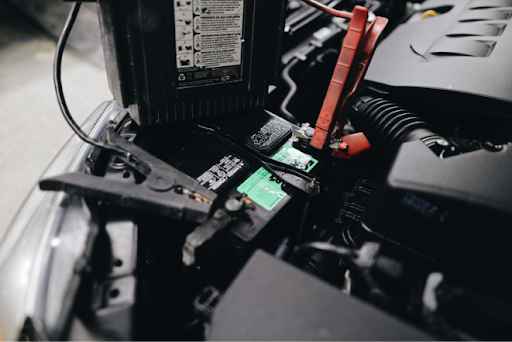
A vehicle that needs frequent jump-starts
One warning sign does not always identify the exact cause of a problem. A weak battery, alternator issue, poor connection, damaged wiring, or another electrical fault can produce similar symptoms.
For that reason, proper testing is preferable to simply replacing parts based on symptoms.
How to Build Battery Checks Into a Fleet Maintenance Program
Battery and charging-system inspections should be incorporated into the same preventive maintenance strategy used for oil change, fluid inspection, tires, brakes, and other critical components.
Start by establishing a consistent inspection schedule based on vehicle type, manufacturer recommendations, operating conditions, mileage, engine hours, and fleet usage.
During scheduled service, technicians can inspect battery condition and connections while also checking other components. This approach reduces the likelihood that electrical problems will be overlooked.
Fleet managers should also maintain records for each vehicle. Useful information can include:
Battery installation date
Battery type and specifications
Inspection dates
Test results
Charging-system observations
Repairs performed
Battery replacement history
These records can help identify vehicles that repeatedly experience electrical problems and may require additional diagnostic attention.
Why Preventive Battery Maintenance Helps Reduce Downtime
Unexpected breakdowns are especially costly for commercial fleets because the vehicle itself is only part of the expense.
A disabled vehicle can affect driver productivity, delivery schedules, customer commitments, and dispatch operations. Emergency repairs may also be more expensive than planned maintenance because they happen at inconvenient times and locations.
Preventive fleet battery maintenance allows potential issues to be identified while vehicles are already scheduled for service.
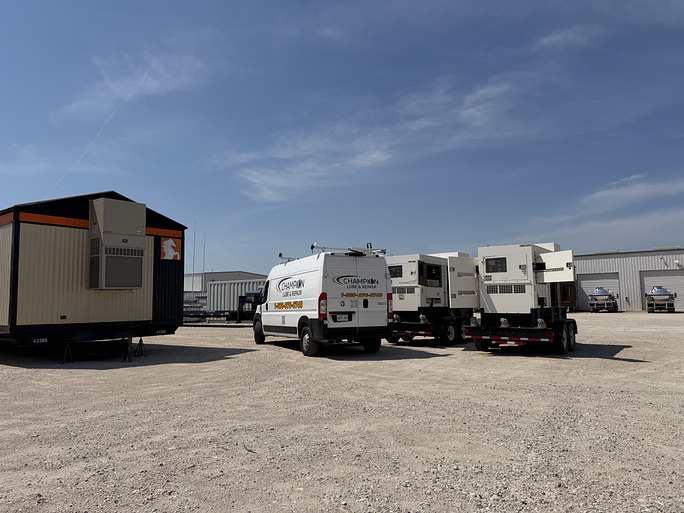
For fleets, convenience matters as much as the mechanical work itself. On-site maintenance can allow technicians to service vehicles where they are parked, helping businesses avoid unnecessary trips to a repair facility. Champion Lube and Repair offers mobile fleet maintenance designed around reducing downtime and servicing vehicles at yards, terminals, and jobsites.
Battery Maintenance for Different Fleet Applications
Not every fleet operates under the same conditions.
Delivery vehicles may experience frequent starts and stops. Heavy-duty trucks may operate for long periods and use multiple electrical accessories. Service vehicles may spend substantial time idling at jobsites. Refrigerated vehicles and specialized equipment can place additional demands on electrical systems.
Because operating conditions vary, battery maintenance schedules should be based on how each vehicle is actually used.
Fleet managers should work with qualified technicians to establish inspection intervals appropriate for their vehicles and operating environment rather than applying a one-size-fits-all approach.
When Should a Fleet Battery Be Replaced?
Battery replacement should not necessarily be based on age alone.
A battery's condition depends on factors such as operating conditions, climate, vehicle usage, charging-system health, maintenance history, and battery quality. Testing can provide useful information about whether a battery remains capable of reliably performing its intended function.
If a battery repeatedly fails testing, requires frequent jump-starts, shows physical damage, or is no longer performing reliably, replacement may be appropriate.
However, if a relatively new battery is repeatedly losing its charge, fleet managers should investigate the charging system and electrical system before simply installing another battery.
Final Thoughts
Reliable batteries and charging systems are essential to keeping commercial vehicles on the road. A structured fleet battery maintenance program helps fleet managers detect electrical problems early, reduce unexpected starting failures, and support more predictable vehicle availability.
Regular battery inspections, connection checks, charging-system testing, accurate maintenance records, and timely repairs can all contribute to a stronger preventive maintenance strategy.
For fleet operators looking to reduce downtime and keep vehicles operating reliably, professional maintenance can make battery and charging-system care easier to manage. Contact Champion Lube and Repair todayto discuss your fleet maintenance needs and schedule convenient service for your vehicles.
Frequently Asked Questions
1. How often should fleet vehicle batteries be inspected?
Battery inspections should be incorporated into your regular preventive maintenance schedule. The ideal interval depends on vehicle type, usage, climate, mileage, engine hours, and manufacturer recommendations. Fleets operating in demanding conditions may benefit from more frequent inspections.
2. What is included in commercial vehicle battery maintenance?
Commercial vehicle battery maintenance can include visual battery inspection, terminal and cable checks, corrosion inspection, battery testing, charging-system evaluation, and documentation of test results. The exact procedure can vary depending on the vehicle and battery system.
3. Can a bad alternator damage a fleet battery?
Yes. A charging-system problem can prevent the battery from receiving the appropriate charge. If an alternator or related charging component is not operating correctly, repeatedly replacing the battery may not address the underlying issue. Testing the complete electrical system can help identify the actual cause.
4. What are the signs of a failing fleet charging system?
Common signs can include repeated battery discharge, a battery warning light, dimming lights, electrical accessories that operate inconsistently, slow starting, unusual alternator noises, or frequent jump-start requirements. Professional testing is recommended to determine the specific cause.
5. Why is battery maintenance important for commercial fleets?
Battery problems can lead to unexpected vehicle downtime, missed schedules, roadside assistance calls, and additional repair costs. Regular fleet battery maintenance helps identify developing problems before they result in a no-start situation and supports a more predictable preventive maintenance program.