
Preventive vs. Reactive Fleet Maintenance: Cost, Risk and Downtime
Fleet maintenance is more than an operational expense. It directly affects vehicle availability, driver productivity, customer service, and business revenue. When a commercial vehicle is unavailable, the costs can extend beyond the repair invoice. Missed deliveries, schedule changes, towing, replacement vehicles, and lost labor can all add to the impact.
This is why fleet managers often compare scheduled maintenance with a breakdown-driven approach. Understanding preventive vs reactive maintenance fleet strategies can help businesses decide how to allocate maintenance budgets while reducing unexpected disruptions.
Preventive maintenance involves servicing vehicles according to mileage, engine hours, time intervals, manufacturer recommendations, inspections, and observed wear. Reactive maintenance begins after a component fails or a vehicle develops a problem that requires immediate attention.
Both approaches have a place in fleet operations. However, the financial and operational consequences can be very different.
What Is Preventive Fleet Maintenance?
Preventive maintenance is planned service performed before a vehicle experiences a major failure. Common tasks include:
Fluid inspections and replacement
Brake inspections
Tire inspections and rotations
Battery checks
Belt and hose inspections
Cooling-system checks
Safety inspections
Scheduled component replacement
The exact schedule should depend on the vehicle manufacturer's recommendations, mileage, engine hours, operating conditions, vehicle age, and duty cycle. A delivery truck traveling thousands of miles every month may require a different maintenance schedule from a service van that operates locally.
Heavy-duty trucks, box trucks, work vans, pickups, and other commercial vehicles should not necessarily be placed on one identical service cycle. The goal is simple: identify wear early and address it while the vehicle is still operational.
What Is Reactive Vehicle Maintenance?
Reactive vehicle maintenance occurs when maintenance is triggered by a problem rather than a planned service interval. For example, a fleet vehicle may continue operating despite worn brakes, low fluids, an aging battery, or a developing cooling-system issue. If the problem is not identified during an inspection, it may eventually cause a breakdown.
Reactive maintenance can be appropriate for unexpected failures. Even a well-maintained fleet can experience a sudden mechanical or electrical problem. The concern is relying on reactive repairs as the primary maintenance strategy. When maintenance is consistently delayed until something fails, managers have less control over when repairs happen, how long the vehicle remains unavailable, and how much the repair ultimately costs.
Preventive vs. Reactive Maintenance: Where the Costs Differ
At first glance, preventive maintenance can appear more expensive because it creates predictable, recurring expenses. A fleet needs to budget for inspections, oil changes, filters, fluids, tire service, brake work, and other scheduled maintenance even when vehicles appear to be running normally.
Reactive maintenance may seem cheaper because money is spent only when something goes wrong. However, the comparison changes when indirect costs are included.
A breakdown can involve:
Emergency diagnostic labor
Towing or roadside assistance
Expedited parts
Additional repair labor
Driver downtime
Missed deliveries or appointments
Rental or replacement vehicles
Overtime
Customer service disruptions
Recent fleet-maintenance analysis has found that breakdown costs can significantly exceed the annual cost of planned preventive service for the same vehicle. One 2026 survey reported an average breakdown cost of $2,491 compared with $1,481 in average annual preventive maintenance costs for that vehicle.
That does not mean every fleet will experience the same costs. Vehicle type, location, repair severity, operating conditions, and business model all influence the actual numbers. The important point is that maintenance budgets should account for the total cost of vehicle downtime, not just the repair invoice.
How Preventive Maintenance Reduces Downtime
Downtime is one of the biggest reasons fleet managers establish structured maintenance programs. Scheduled maintenance allows managers to choose when vehicles are serviced. A vehicle can often be maintained during an existing idle period, overnight, or at another operationally convenient time. This creates a major difference between planned and unplanned downtime.
For example, taking a delivery vehicle out of service for scheduled maintenance can be coordinated with dispatch. A roadside breakdown, on the other hand, may happen during a delivery route or customer appointment.
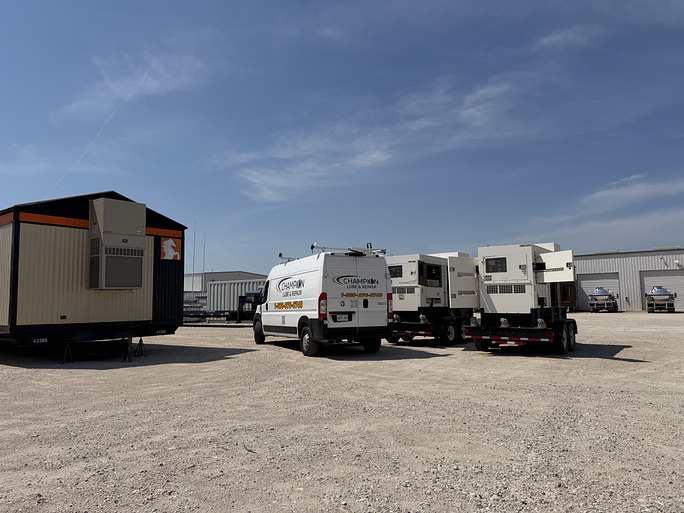
Champion Lube and Repair provides mobile fleet service that can be performed at a fleet yard, terminal, or jobsite. Its mobile oil-change service is designed to service multiple vehicles during a scheduled visit, helping fleets avoid sending individual vehicles to a shop. This type of scheduling can make maintenance easier to integrate into normal fleet operations.
The Risk Difference Between Planned and Reactive Maintenance
Cost is only one part of the decision. Risk also matters. A vehicle that has missed inspections or routine service may have unresolved defects that become more serious over time. A small issue can sometimes develop into a larger mechanical problem.
For example, ignoring a cooling-system issue could contribute to overheating. Delaying brake service could increase component wear. Neglecting tire inspections can increase the likelihood of tire-related problems. A structured maintenance program creates opportunities to identify these issues earlier.
This is where proactive fleet maintenance becomes valuable. Instead of waiting for drivers to report problems or for components to fail, fleet managers establish processes that regularly check vehicle condition. Preventive maintenance does not eliminate breakdowns completely. It reduces reliance on luck and driver observation alone.
Why Reactive Maintenance Can Create Operational Problems
Reactive maintenance becomes especially challenging when a fleet has tight delivery schedules or limited backup vehicles. Consider a company operating ten commercial vehicles. If one vehicle unexpectedly becomes unavailable, the remaining nine may need to absorb its workload.
That can create a chain reaction. Drivers may work longer hours. Routes may need to be rearranged. Deliveries may be delayed. Another vehicle may accumulate additional mileage. Managers may have to arrange emergency repairs or rentals.
The original mechanical problem is only the starting point. This is why fleet managers should evaluate preventive vs reactive maintenance fleet decisions based on operational consequences as well as repair costs.
When Reactive Maintenance Still Has a Role
Reactive maintenance should not be treated as something that can be completely eliminated. Unexpected problems happen. Components fail. Accidents occur. Warning signs can sometimes be missed. Emergency repair capability is therefore an important part of fleet management.
The difference is whether reactive service is an occasional response to an unexpected event or the normal way a fleet handles maintenance. A strong fleet maintenance program can combine scheduled preventive service with a clear process for handling unexpected repairs. That gives managers two layers of protection: routine maintenance to reduce avoidable failures and responsive repair support when unexpected problems occur.
Building a More Proactive Fleet Maintenance Strategy
A practical maintenance program does not need to be complicated.
Start by creating a maintenance record for every vehicle. Track:
Vehicle identification
Current mileage
Engine hours where applicable
Service history
Upcoming maintenance
Reported defects
Tire condition
Fluid service
Brake inspections
Repair history
Next, establish service intervals based on manufacturer recommendations and actual operating conditions. Fleet managers should also encourage drivers to report warning lights, unusual noises, vibrations, leaks, braking changes, and other concerns immediately.
The information collected from inspections and service records can then be used to identify recurring problems. For example, if several vehicles begin experiencing similar battery, tire, or brake issues at comparable mileage, the fleet manager can review the maintenance schedule and operating conditions. This moves the operation from simply repairing vehicles to managing vehicle health.
How Mobile Maintenance Can Support Preventive Programs
Mobile maintenance can make preventive service easier for fleets that cannot afford frequent trips to a traditional repair facility. Instead of taking vehicles out of operation for travel to a shop, technicians can perform selected maintenance tasks where the vehicles are already parked.
Champion Lube and Repair's fleet services include routine maintenance such as oil changes, fluid checks, tire rotations, and inspections, with mobile service available across its listed service territories. For fleet managers, the practical advantage is scheduling flexibility. Multiple vehicles can be serviced during one visit, potentially reducing the amount of administrative coordination required.
Choosing the Right Maintenance Approach for Your Fleet
There is no single maintenance schedule that works for every fleet.
A business should consider:
Number of vehicles
Vehicle types
Average mileage
Engine hours
Vehicle age
Operating environment
Load requirements
Route length
Seasonal conditions
Availability of backup vehicles
Cost of vehicle downtime
A local service van with predictable mileage may follow a different schedule from a heavy-duty truck operating long-distance routes. The key is to create a maintenance strategy that matches how vehicles are actually used.
Final Thoughts
Understanding preventive vs reactive maintenance fleet strategies can help fleet managers look beyond the immediate repair bill. Preventive maintenance creates planned expenses and scheduled service events, while reactive maintenance can introduce unpredictable repair costs and operational disruption.
For most commercial fleets, the practical objective is not to eliminate every unexpected repair. It is to reduce avoidable failures, identify developing problems earlier, and keep vehicles available for productive work.
If your fleet needs a more organized maintenance approach, consider building a service schedule around mileage, usage, inspections, and vehicle condition. Champion Lube and Repair can help businesses manage routine fleet maintenance and mobile service needs. Contact the team to discuss your fleet and develop a maintenance approach that works around your operation.
Frequently Asked Questions
1. What is the difference between preventive and reactive fleet maintenance?
Preventive maintenance is scheduled before a failure occurs, while reactive maintenance takes place after a vehicle develops a problem or experiences a breakdown. Preventive service is generally easier to schedule and budget for.
2. Is preventive maintenance more expensive than reactive maintenance?
Preventive maintenance creates regular service costs, but reactive maintenance can add emergency labor, towing, expedited parts, downtime, and lost productivity. Fleet managers should consider the total cost rather than comparing service invoices alone.
3. How does preventive maintenance reduce fleet downtime?
Preventive maintenance identifies wear and developing problems before they become major failures. Because service can be scheduled during planned idle periods, businesses can also have greater control over when vehicles are unavailable.
4. Can a fleet use both preventive and reactive maintenance?
Yes. A fleet should have scheduled preventive maintenance while maintaining a process for unexpected failures. Reactive repairs are still necessary when a vehicle experiences an unforeseen problem.
5. How can fleet managers improve their maintenance program?
Start by tracking mileage, engine hours, service history, inspections, repairs, and reported vehicle problems. Then establish maintenance intervals based on manufacturer recommendations and actual operating conditions.