
Fleet Maintenance Schedule by Mileage and Vehicle Type
A well-planned fleet maintenance schedule helps businesses keep commercial vehicles reliable, safe, and ready for work. Fleet vehicles often travel more miles than personal vehicles and may operate under heavier loads, frequent stops, long idle periods, or demanding road conditions. These factors can accelerate wear on engines, brakes, tires, suspension components, and other systems.
A mileage-based maintenance plan gives fleet managers a clear way to organize routine service. However, mileage should not be the only consideration. Manufacturer recommendations, vehicle type, operating conditions, engine hours, and time intervals can also affect when maintenance is needed.
This guide explains how to build a practical maintenance schedule based on mileage and vehicle type.
Why Mileage Matters in Fleet Maintenance
Mileage provides an easy way to track vehicle usage. A truck traveling 50,000 miles per year will generally need service more frequently than a vehicle traveling 10,000 miles. Routine maintenance based on mileage can help identify wear before it becomes a major repair. Oil and filter service, tire inspections, brake checks, fluid inspections, and other preventive tasks can be planned before vehicles reach critical wear points.
Still, there is no universal mileage interval that applies to every fleet. Commercial vehicles differ in size, engine type, load, route, and duty cycle. Manufacturer recommendations should always be considered when establishing service intervals.
Basic Fleet Maintenance at Every Mileage Level
Before creating mileage-specific service intervals, fleet managers should establish basic inspections.
Drivers can perform daily or pre-trip checks for obvious problems such as:
Low or damaged tires
Fluid leaks
Warning lights
Damaged lights
Brake concerns
Unusual noises
Loose or damaged components
Windshield or mirror damage
Problems with steering or handling
These checks can identify problems between scheduled maintenance visits. Fleet managers should also record mileage, completed repairs, inspection results, and upcoming service needs. Good records make it easier to identify recurring problems and prevent vehicles from becoming overdue.
5,000-Mile Maintenance
For many light-duty fleet vehicles, the 5,000-mile mark can be an appropriate point for an initial preventive inspection, depending on the manufacturer's requirements and operating conditions.
At this stage, maintenance may include:
Engine oil and filter inspection or replacement
Tire pressure and tread inspection
Fluid-level checks
Brake inspection
Battery inspection
Belts and hoses inspection
Lights and safety equipment inspection
General underbody inspection
Vehicles used for frequent stop-and-go driving, heavy loads, short trips, or extended idling may require more frequent attention. The goal is not simply to replace parts at a fixed mileage. Instead, the inspection should identify developing problems and determine whether additional service is necessary.
10,000-Mile Maintenance
Around 10,000 miles, many fleet vehicles may require a more detailed preventive service. Actual intervals should follow the vehicle manufacturer's recommendations. A typical service may include oil and filter replacement, tire inspection, brake inspection, fluid checks, battery testing, and examination of steering and suspension components.
For diesel commercial vehicles, technicians may also inspect fuel and air filtration systems. Dusty environments can cause filters to become restricted more quickly. A reliable commercial vehicle maintenance schedule should account for these differences rather than applying exactly the same service interval to every vehicle.
15,000- to 30,000-Mile Maintenance
As mileage increases, inspections should become more comprehensive.
Between approximately 15,000 and 30,000 miles, fleet managers may consider:
Brake measurements and detailed inspections
Tire rotation or replacement assessment
Wheel alignment checks
Air and fuel filter service
Steering and suspension inspections
Battery and charging-system checks
Cooling-system inspection
Belts and hoses
Driveline components
Transmission-fluid condition
Some commercial fleet maintenance programs use tiered services, with a lighter service followed by progressively more comprehensive inspections. Published fleet maintenance guidance commonly places more detailed inspections at higher mileage intervals. This approach makes maintenance easier to organize because technicians know what needs to be checked at each service level.
30,000- to 60,000-Mile Maintenance
Higher-mileage vehicles need greater attention to components that experience gradual wear. Depending on the vehicle and manufacturer recommendations, this range may be appropriate for more detailed service involving:
Transmission systems
Differential and axle components
Cooling systems
Suspension components
Steering components
Wheel bearings
Brake systems
Fuel systems
Exhaust and emissions components
Belts and hoses
Heavy-duty vehicles may have different intervals from light-duty vans or pickup trucks. For example, some fleet maintenance guidance places major service for heavy commercial vehicles around 50,000 to 60,000 miles, but the correct interval depends on the vehicle and duty cycle.
60,000 Miles and Beyond
At 60,000 miles and higher, preventive maintenance becomes increasingly important. A vehicle with high annual mileage may reach this point relatively quickly. Fleet managers should review its entire maintenance history instead of relying only on the odometer.
Technicians may inspect major drivetrain components, transmission and differential fluids, cooling systems, suspension, steering, brakes, electrical systems, and other components according to the manufacturer's service plan. At higher mileage, managers should also look for patterns. If a vehicle repeatedly requires the same repair, it may indicate an underlying mechanical issue or that the vehicle's service interval needs adjustment.
Adjusting the Schedule by Vehicle Type
A good fleet service schedule should separate vehicles by type and use. A delivery van and a heavy-duty tractor may both be commercial vehicles, but they experience very different operating conditions.
Light-Duty Vans and Pickup Trucks
Light-duty fleet vehicles often accumulate mileage through local service calls, deliveries, sales routes, or mixed highway and city driving.
Maintenance should typically emphasize:
Oil and filter service
Tire condition
Brake wear
Battery health
Fluid levels
Steering and suspension
Air and cabin filters
Belts and hoses
Stop-and-go driving and frequent short trips can increase maintenance demands.
Medium-Duty Trucks
Box trucks, service trucks, and other medium-duty vehicles often carry heavier loads.
Their maintenance plans should pay particular attention to:
Brakes
Tires
Suspension
Steering
Cooling systems
Fuel systems
Driveline components
Transmission
Axles and differentials
Load weight and route conditions can significantly affect component wear.
Heavy-Duty Trucks and Tractors
Heavy-duty trucks can accumulate substantial mileage and may operate continuously for long periods.
Their maintenance programs should include detailed inspections of:
Engine and lubrication systems
Cooling systems
Brakes
Tires and wheels
Suspension
Steering
Transmission
Driveline
Axles
Electrical systems
Exhaust and emissions systems
Heavy-duty fleet maintenance often uses multiple preventive service levels rather than one simple mileage interval.
Construction and Specialty Vehicles
Construction vehicles and specialty equipment may not accumulate mileage as consistently as highway vehicles. Engine hours can therefore be a better maintenance trigger in some cases. A fleet maintenance program should consider both mileage and engine hours when vehicles spend significant time idling or working off-road.
Mileage Is Not the Only Maintenance Trigger
One common mistake is assuming that vehicles only need service when they reach a certain mileage. Time can matter too. A vehicle that travels relatively few miles may still need fluid changes, battery inspections, tire checks, and seasonal maintenance.
Severe operating conditions can also shorten service intervals. These conditions may include:
Heavy loads
Excessive idling
Frequent stop-and-go driving
Dusty environments
Extreme temperatures
Towing
Short-distance operation
Frequent starts and stops
Some fleet maintenance programs therefore use a “mileage or time, whichever comes first” approach.
How to Build a Practical Maintenance Schedule
Start by creating a maintenance profile for every vehicle. Record the make, model, year, engine type, current mileage, expected annual mileage, and typical operating conditions. Then identify the manufacturer's recommended maintenance intervals. Next, group service tasks by frequency. For example, routine inspections can occur frequently, while more comprehensive drivetrain or cooling-system inspections can occur at higher mileage intervals.
Finally, track every completed service. Digital records can help fleet managers identify overdue maintenance and recurring mechanical problems. A maintenance schedule should be flexible enough to respond to actual vehicle conditions. If a vehicle operates under severe conditions, it may need service sooner than another vehicle with the same mileage.
Reduce Downtime With Preventive Fleet Service
The purpose of preventive maintenance is not simply to keep a checklist updated. It is to keep vehicles available for productive work. Unexpected breakdowns can interrupt routes, delay customers, require emergency repairs, and take vehicles out of service. Planned maintenance gives fleet managers an opportunity to address problems during scheduled downtime.
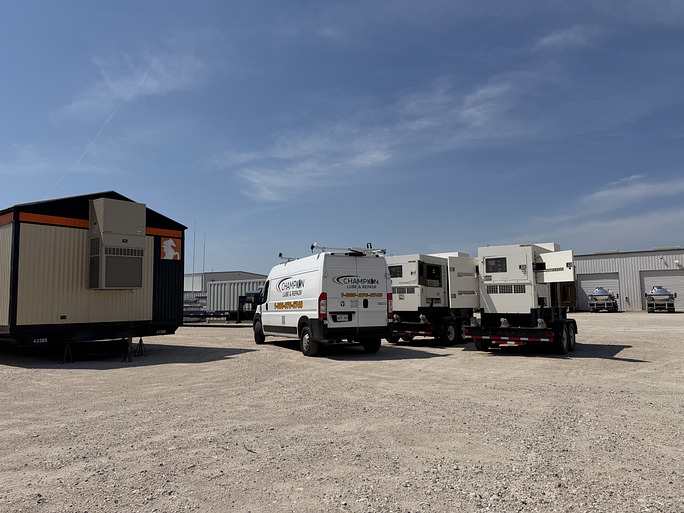
Mobile maintenance can also make routine service more convenient because technicians can work at a fleet's location rather than requiring every vehicle to travel to a repair facility. Champion Lube and Repair provides fleet repair and maintenance services designed to help businesses keep vehicles operating.
Final Thoughts
A dependable fleet maintenance schedule should be based on mileage, vehicle type, manufacturer recommendations, operating conditions, and service history. Regular inspections at appropriate intervals can help fleet managers identify wear before it develops into costly downtime. The most effective schedule is one that fits the actual vehicles and routes in your operation rather than following a one-size-fits-all formula.
If your fleet needs dependable preventive maintenance or mobile repair support, contact Champion Lube and Repair to discuss your service needs and keep your commercial vehicles ready for the road.
Frequently Asked Questions
1. What is a fleet maintenance schedule?
A fleet maintenance schedule is a planned system for inspecting, servicing, and repairing fleet vehicles at specific mileage, time, or operating-hour intervals.
2. How often should fleet vehicles receive preventive maintenance?
The appropriate interval depends on the vehicle, manufacturer recommendations, mileage, operating conditions, and duty cycle. Some vehicles may require service every few thousand miles, while heavy-duty vehicles may follow longer intervals.
3. Should fleet maintenance be based on mileage or time?
It can be based on both. A mileage-based plan works well for vehicles that travel consistently, while time or engine hours can be important for low-mileage, high-idle, or specialty vehicles.
4. Does vehicle type affect maintenance intervals?
Yes. Light-duty vans, medium-duty trucks, heavy-duty tractors, and specialty vehicles experience different levels and types of wear. Their maintenance schedules should reflect their individual operating demands.
5. Can preventive maintenance reduce fleet downtime?
Preventive maintenance can help identify developing mechanical problems before they cause unexpected failures. Scheduling repairs during planned downtime can also make vehicle availability easier to manage.