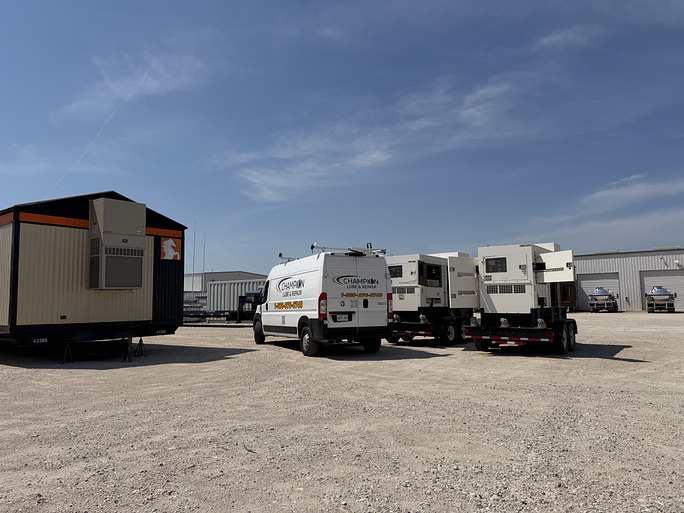

10 Common Causes of Fleet Vehicle Breakdowns
Fleet vehicles are essential to keeping businesses moving. Whether they are used for deliveries, service calls, construction, transportation, or daily operations, every vehicle needs to remain reliable. When one breaks down unexpectedly, the impact can go far beyond the repair itself.
A breakdown can delay schedules, disrupt routes, increase labor costs, and leave drivers waiting for roadside assistance. Understanding the common fleet vehicle breakdowns can help fleet managers identify warning signs and take action before minor problems become major failures.
Many breakdowns are linked to normal wear, delayed maintenance, electrical problems, tire issues, fluid leaks, and cooling system failures. Regular inspections and timely repairs can help reduce avoidable downtime.
Why Do Fleet Vehicles Break Down?
Fleet vehicles often operate more frequently than personal vehicles. They may travel long distances, carry heavy loads, spend hours in stop-and-go traffic, or operate in demanding weather and road conditions.
This constant use puts additional stress on components such as tires, brakes, batteries, engines, transmissions, suspension systems, and cooling systems.
Another major factor is maintenance timing. A vehicle can continue operating even when a component is beginning to wear. If that warning sign is overlooked, the problem may eventually result in a roadside failure.
Understanding the main fleet breakdown causes gives managers and drivers a better opportunity to catch these problems early.
10 Common Causes of Fleet Vehicle Breakdowns
1. Battery and Electrical Problems
Battery problems are among the common reasons commercial vehicles experience starting and roadside issues. Modern vehicles also depend on complex electrical systems for starting, lighting, sensors, communication equipment, and other functions.
A weak battery may cause slow engine cranking or repeated starting problems. Corroded terminals, loose connections, damaged wiring, or alternator problems can create similar symptoms.
Volvo Trucks identifies battery malfunction as a significant truck breakdown concern based on its own truck experience. The company also recommends keeping batteries, electrical connections, and battery compartments clean and properly maintained. This observation should be understood within Volvo's truck experience rather than as a ranking across all commercial fleets.
Fleet managers should watch for:
Slow or difficult starts
Dimming lights
Battery warning indicators
Corroded terminals
Repeated battery failures
Electrical accessories that stop working
Addressing these signs early can prevent a vehicle from becoming stranded.
2. Tire Damage and Improper Tire Maintenance
Tires experience constant contact with the road, making them especially vulnerable to wear and damage. Punctures, low pressure, uneven tread wear, sidewall damage, and blowouts can quickly take a fleet vehicle out of service.
Tire problems can also develop because of improper inflation or alignment. Heavy loads and long operating hours may increase stress on tires.
Regular tire inspections should include checking pressure, tread condition, visible damage, and unusual wear patterns. Drivers should also report vibrations or changes in handling as soon as they notice them.
Tire inspections are a key part of preventing common fleet vehicle breakdowns, particularly for vehicles that travel long distances or carry heavy loads.
3. Overdue Oil Changes and Fluid Problems
Engine oil and other vehicle fluids play an important role in protecting mechanical components. When fluid levels become too low or fluids are not replaced according to the appropriate service schedule, components can experience increased wear.
Oil leaks can also become serious if they are ignored. A small leak may eventually result in low fluid levels and contribute to component damage.
Fleet maintenance should include regular checks of:
Engine oil
Coolant
Transmission fluid
Brake fluid
Power steering fluid
Differential fluid
Other manufacturer-recommended fluids
A fluid check can reveal a developing leak before it becomes a roadside emergency.
4. Cooling System Failures
Engines generate substantial heat during operation. The cooling system is responsible for helping the engine maintain an appropriate operating temperature.
A damaged hose, leaking radiator, failing water pump, faulty thermostat, or low coolant level can interfere with this process.
Overheating should never be ignored. Continuing to operate an overheating vehicle can turn a relatively manageable cooling-system repair into more serious engine damage.
Common warning signs include:
Rising temperature gauge
Coolant leaking under the vehicle
Steam or unusual smells
Repeated overheating
Reduced engine performance
Regular inspections of hoses, coolant levels, belts, radiators, and related components can help identify problems before failure.
5. Brake Wear and Brake System Problems
Brakes are exposed to significant wear, particularly on fleet vehicles that make frequent stops. Delivery vans, service vehicles, and urban fleets may experience repeated braking throughout the day.
Worn brake pads, damaged rotors, sticking components, or other brake-system problems can affect stopping performance and vehicle safety.
Drivers should report changes such as grinding, squealing, pulling while braking, unusual pedal feel, or increased stopping distance.
Brake issues are among the commercial vehicle failures that should be addressed promptly. Waiting until a vehicle develops a serious braking problem can increase both repair complexity and operational risk.
6. Belts, Hoses, and Other Worn Components
Small components can create major problems when they fail.
Belts and hoses operate under heat, pressure, vibration, and repeated movement. Over time, they can become cracked, brittle, loose, or damaged.
A failed belt may affect systems that depend on it for proper operation. A damaged hose can cause fluid loss or interfere with cooling.
During scheduled maintenance, technicians should inspect these components for visible deterioration. Replacing worn components or addressing developing faults at the appropriate time is generally preferable to waiting for a failure during a route.
7. Transmission and Clutch Problems
Transmission and clutch components can experience substantial stress in fleet applications. Frequent starts and stops, heavy loads, hills, towing, and demanding driving conditions can accelerate wear.
Warning signs may include difficulty shifting, slipping, unusual noises, delayed engagement, burning smells, or changes in vehicle performance.
Clutch-related issues are also recognized among common truck breakdown concerns, making regular inspections important for vehicles that experience demanding operating conditions.
Ignoring these symptoms can allow a developing mechanical issue to become one of the more disruptive fleet breakdown causes.
8. Driver-Reported Warning Signs Are Ignored
Not every breakdown begins with an obvious mechanical failure. Drivers often notice changes before a vehicle stops operating.
A driver may hear a new noise, feel a vibration, notice reduced acceleration, see a warning light, or detect an unusual smell.
If these observations are not communicated to the maintenance team, a developing issue may remain unresolved.
A strong fleet maintenance process should make it simple for drivers to report problems. Those reports should be reviewed and followed by appropriate inspections rather than being treated as minor complaints.
Driver feedback helps maintenance teams identify developing faults early.
9. Deferred Preventive Maintenance
Preventive maintenance is designed to identify and address developing problems before they result in unexpected downtime. It typically includes inspections, servicing, lubrication, testing, adjustments, and replacement of worn components.
However, simply having a maintenance schedule is not enough. Maintenance must actually be completed at the appropriate intervals.
Busy schedules sometimes cause fleet managers to postpone service because taking a vehicle out of operation may affect daily operations. Unfortunately, delaying maintenance can allow a minor issue to develop into a larger repair.
Maintenance schedules should account for mileage, usage, operating conditions, vehicle age, and manufacturer recommendations.
10. Aging Vehicles and Accumulated Wear
Every vehicle eventually experiences increased wear as it accumulates mileage and operating hours.
Older fleet vehicles may require more attention to electrical systems, suspension components, cooling systems, engines, transmissions, and other major components.
This does not mean an older vehicle will automatically break down. Instead, its maintenance history and current condition become increasingly important.
Fleet managers can monitor repair frequency and recurring problems to determine when continued repairs may require more planning. Accurate service records also make it easier to identify repeated failures and maintenance trends.
First-Response Summary: Cause, Warning Sign, and First Response
Understanding what causes a vehicle problem, recognizing its warning signs, and knowing how to respond can help drivers and fleet managers reduce risks and avoid further damage.
1. Battery and Electrical Problems
Warning Signs: Slow engine starting, dimming lights, battery warning indicators, or electrical accessories that stop working.
First Response: Report the issue to the maintenance team and arrange a battery and charging-system inspection.
2. Tire Damage and Improper Tire Maintenance
Warning Signs: Low tire pressure, visible damage, uneven tread wear, vibrations, or unusual vehicle handling.
First Response: Stop in a safe location if the tire is severely damaged. Arrange an inspection before continuing the journey.
3. Overdue Oil Changes and Fluid Problems
Warning Signs: Fluid leaks, low fluid levels, unusual smells, or dashboard warning indicators.
First Response: Report the leak or warning and arrange an inspection. Follow the vehicle manufacturer's instructions for fluid-related warnings.
4. Cooling System Failures
Warning Signs: Rising engine temperature, steam, coolant leaks, or repeated overheating.
First Response: Stop safely and follow the vehicle manufacturer's instructions and company procedures.
5. Brake Wear and Brake System Problems
Warning Signs: Grinding noises, unusual brake pedal feel, pulling while braking, or reduced stopping performance.
First Response: Stop safely and follow the vehicle manufacturer's instructions and company procedures.
6. Belts, Hoses, and Other Worn Components
Warning Signs: Visible cracks, fluid leaks, unusual noises, loose belts, or damaged hoses.
First Response: Report the symptoms and arrange an inspection by a qualified technician.
7. Transmission and Clutch Problems
Warning Signs: Difficulty shifting gears, slipping, unusual noises, delayed engagement, or burning smells.
First Response: Report the issue and arrange a mechanical inspection. Avoid continuing operation if the vehicle cannot be controlled safely.
8. Ignored Driver-Reported Warning Signs
Warning Signs: New noises, vibrations, unusual smells, dashboard warnings, or reduced vehicle performance.
First Response: Record the symptoms and communicate them promptly to the maintenance team so the vehicle can be inspected.
9. Deferred Preventive Maintenance
Warning Signs: Overdue servicing, repeated minor problems, or missed maintenance appointments.
First Response: Schedule the required inspection and maintenance without unnecessary delay.
10. Aging Vehicles and Accumulated Wear
Warning Signs: Recurring repairs, repeated component failures, or increasing maintenance requirements.
First Response: Review the vehicle's service records and arrange a condition assessment to identify components that may need attention.
Important Safety Reminder: For overheating, impaired braking or steering, severe tire damage, or critical vehicle warnings, drivers should stop safely and follow the vehicle manufacturer's instructions and company procedures. They should never continue driving simply to complete a route.
These first-response steps provide general guidance. Drivers should always follow vehicle-specific instructions and their employer's safety procedures.
How to Reduce Fleet Vehicle Breakdowns
Preventing every breakdown is not realistic, but fleet operators can reduce avoidable failures by creating a consistent maintenance process.
Start with regular inspections. Drivers should complete appropriate pre-trip or daily checks and report unusual conditions.
Next, follow a maintenance schedule based on manufacturer recommendations and actual vehicle use. A vehicle that operates under heavy loads or demanding conditions may require closer monitoring than one used less frequently.
It is also important to keep accurate maintenance records. Track repairs, inspections, recurring problems, replaced components, and upcoming service requirements.
Finally, do not ignore small warning signs. A strange noise, dashboard warning, fluid leak, hard start, vibration, or change in vehicle performance can provide an opportunity to investigate a problem before it causes unexpected downtime.
Breakdown frequency varies by fleet. Vehicle type, mileage, operating conditions, maintenance history, and driver practices can all influence how often failures occur.
Final Thoughts
Understanding the common fleet vehicle breakdowns can help businesses take a more proactive approach to vehicle maintenance. Battery failures, tire problems, fluid issues, cooling system faults, brake wear, electrical problems, and delayed maintenance can all contribute to unexpected downtime.
The goal is not simply to repair vehicles after they fail. A consistent inspection and maintenance process helps identify developing problems and gives fleet managers an opportunity to schedule repairs before they interfere with daily operations.
For businesses that need dependable fleet maintenance and repair support, Champion Lube and Repair can help keep commercial vehicles maintained and ready for the road. Contact the team to discuss your fleet's maintenance and repair needs and reduce the disruption caused by unexpected vehicle problems.
Frequently Asked Questions (FAQs)
1. What Is the Most Common Cause of Fleet Vehicle Breakdowns?
Common causes include battery and electrical problems, tire damage, overdue maintenance, fluid leaks, cooling system problems, brake wear, and worn mechanical components. The exact cause varies depending on the vehicle, operating conditions, maintenance history, and usage.
2. How Can Fleet Managers Prevent Vehicle Breakdowns?
Fleet managers can reduce breakdown risks through scheduled preventive maintenance, regular inspections, timely repairs, accurate service records, tire checks, fluid inspections, and driver reporting procedures. Maintenance schedules should also reflect how each vehicle is actually used.
3. What Warning Signs Indicate a Fleet Vehicle Needs Repair?
Warning signs can include dashboard warning lights, unusual noises, vibrations, fluid leaks, overheating, difficult starting, reduced performance, unusual smells, braking changes, or shifting problems. These signs should be investigated rather than ignored.
4. Why Is Preventive Maintenance Important for Commercial Vehicles?
Preventive maintenance helps identify worn components or developing faults before they cause unexpected failures. It can also move maintenance from an unplanned roadside event to scheduled downtime, making repairs easier to manage operationally.
5. How Often Should Fleet Vehicles Be Inspected?
Inspection frequency depends on the vehicle, manufacturer recommendations, mileage, operating conditions, vehicle age, and type of use. Fleets should follow applicable manufacturer and regulatory requirements while also using regular driver inspections and scheduled preventive maintenance.