Fleet Preventive Maintenance Checklist: What to Inspect and When
Running a fleet without a plan is like driving with your eyes half closed. You might get away with it for a while, but sooner or later, something goes wrong. A solid fleet preventive maintenance checklist is the difference between a business that runs smoothly and one that's constantly fighting fires on the side of the road.
Whether you manage five trucks or five hundred, unexpected breakdowns cost you more than just repair bills. They cost you missed deliveries, unhappy customers, and downtime that eats into your profits. The good news? Most of these problems are preventable. With the right inspection schedule and a bit of consistency, you can catch small issues before they turn into expensive disasters.
In this guide, we'll walk through exactly what to inspect, how often to do it, and why a preventive vehicle maintenance checklist should be a non-negotiable part of your fleet operations.
Why a Fleet Preventive Maintenance Checklist Matters
Every vehicle in your fleet is a moving investment. Neglect it, and that investment loses value fast. A well-structured maintenance checklist helps you:
Reduce unplanned downtime and emergency repairs
Extend the lifespan of your vehicles
Improve fuel efficiency across your fleet
Keep drivers and cargo safer on the road
Stay compliant with DOT and safety regulations
In addition, a documented checklist gives you a clear record for warranty claims, resale value, and audits. It's not just about avoiding breakdowns; it's about running a tighter, more predictable operation.
Daily Pre-Trip and Post-Trip Inspections
Daily checks are your first line of defense. These take just a few minutes but catch the issues that turn into major repairs if ignored.
What to inspect daily:
Tire pressure and visible tread wear
Fluid levels (oil, coolant, brake fluid, washer fluid)
Lights, turn signals, and brake lights
Mirrors and windshield condition
Horn and wipers
Brakes for unusual noise or feel
Leaks under the vehicle
For example, a driver who notices a slow leak during a pre-trip walk-around can report it before it becomes a roadside breakdown. This simple habit saves both time and money down the line.
Weekly Fleet Maintenance Checks
Weekly inspections go a bit deeper than the daily walk-around. They're a good opportunity to catch wear patterns before they become safety issues.
What to inspect weekly:
Battery terminals for corrosion
Belts and hoses for cracking
Air filter condition
Tire rotation needs
Suspension components
Exhaust system for leaks or rust
These checks don't take long, but they matter. A cracked belt or corroded battery terminal is easy to spot and cheap to fix. Left alone, either one can strand a vehicle mid-route.
Monthly Preventive Vehicle Maintenance Checklist Items
Monthly inspections are where you start looking at systems that wear down gradually. This is a key part of any preventive vehicle maintenance checklist, since these components don't always show obvious symptoms until they fail.
What to inspect monthly:
Brake pads and rotors
Transmission fluid levels
Steering and alignment
Fuel system for leaks or inefficiency
Undercarriage rust or damage
Wheel bearings
If you notice a vehicle pulling to one side or braking unevenly, don't wait. These are early warning signs that something needs attention now, not next month.
Quarterly and Seasonal Maintenance Tasks
Every few months, your fleet needs a deeper look. Seasonal changes also bring their own set of challenges, so it's smart to adjust your checklist accordingly.
What to inspect quarterly:
Coolant system and antifreeze levels
HVAC system performance
Full brake system inspection
Differential fluid
Emissions system check
Seasonal considerations:
Before winter: check battery strength, antifreeze levels, and tire tread for traction
Before summer: inspect AC performance and coolant system to prevent overheating
Rainy seasons: check wiper blades, tire tread depth, and headlight alignment
Taking the time to prep your fleet for seasonal shifts reduces the risk of weather-related breakdowns, which tend to happen at the worst possible times.
Annual Fleet Inspections
Once a year, every vehicle should get a comprehensive, top-to-bottom inspection. This is your chance to catch anything that shorter checks might have missed.
What to inspect annually:
Full engine diagnostic
Transmission overhaul check
Frame and structural integrity
Complete brake system replacement if needed
DOT compliance review
Emissions testing
An annual inspection is also a good time to review each vehicle's maintenance history. This helps you decide whether a truck is still worth repairing or if it's time to plan for replacement.
Building a Maintenance Schedule That Actually Works
A checklist only works if it's followed consistently. Here are a few tips to make sure yours sticks:
Assign responsibility. Make sure drivers and technicians know exactly what's expected of them at each stage.
Use digital tracking tools. Fleet maintenance software makes it easy to log inspections, set reminders, and flag overdue tasks.
Keep records organized. Documentation helps with warranty claims, audits, and resale value.
Train drivers to spot issues early. They're the first to notice unusual sounds, smells, or handling problems.
Partner with a trusted repair shop. Having a reliable partner for both scheduled maintenance and unexpected repairs keeps your fleet moving.
For instance, teams that use digital checklists tend to catch issues earlier than those relying on paper logs, simply because reminders and alerts don't get lost in a stack of paperwork.
The Role of Mobile Fleet Repair in Preventive Maintenance
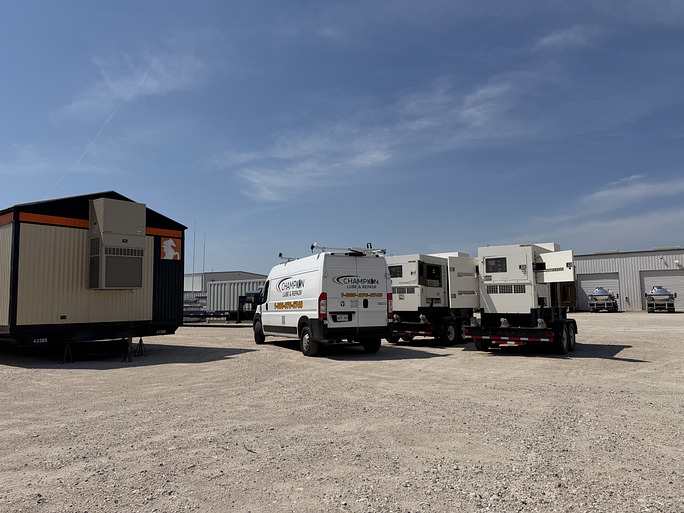
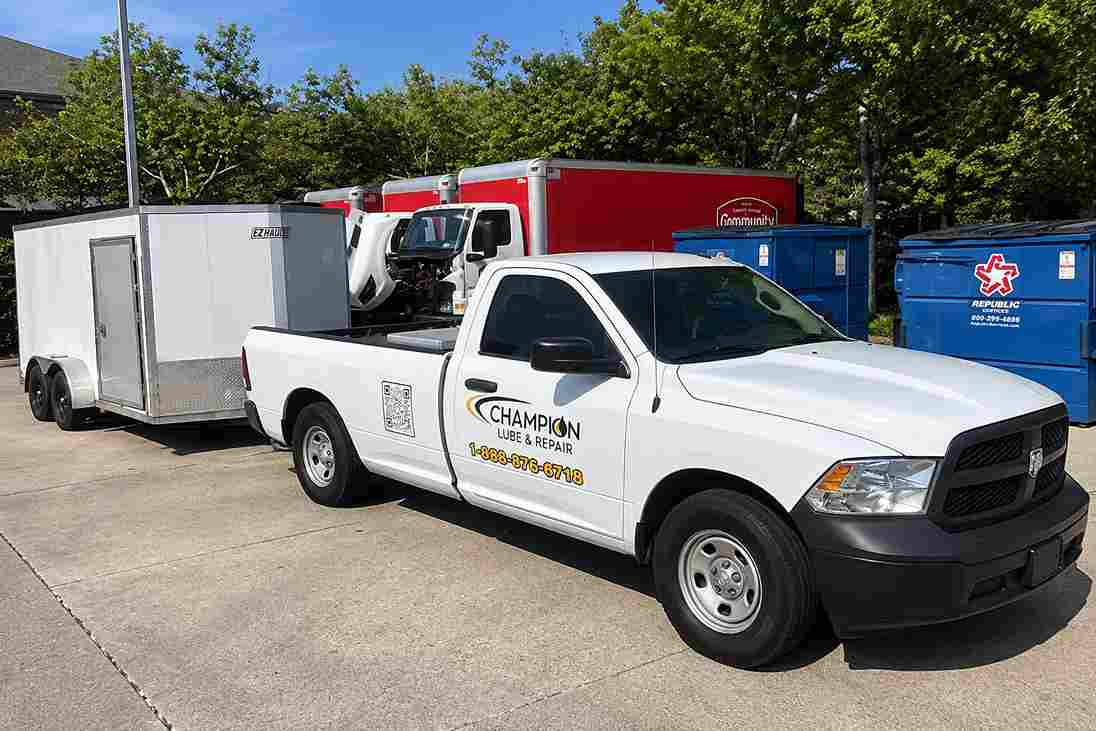
Sometimes the best maintenance plan still isn't enough to avoid every issue on the road. That's where mobile fleet repair comes in. Instead of waiting for a tow truck or losing a full day of productivity, mobile repair services come directly to your vehicle's location.
This is especially useful for:
Roadside breakdowns during active routes
On-site inspections at your yard or depot
Minor repairs that don't require a full shop visit
Keeping vehicles in service with less downtime
By combining a strong preventive maintenance checklist with access to mobile repair options, fleet managers can handle both the expected and the unexpected without major disruptions to their schedule.
At Champion Lube and Repair, we understand that every hour a vehicle sits idle is money lost. That's why preventive care paired with fast, reliable repair support makes such a difference for fleet operators who can't afford downtime.
Common Mistakes to Avoid
Even with a checklist in place, fleets sometimes fall into a few common traps:
Skipping "minor" issues. A small leak or slight noise rarely stays small for long.
Inconsistent scheduling. Sporadic checks leave gaps where problems can grow unnoticed.
Ignoring driver feedback. Drivers often notice problems before diagnostic tools do.
Delaying part replacements. Waiting until a part fails completely usually costs more than replacing it early.
Avoiding these mistakes comes down to consistency and communication. When everyone on your team understands the value of preventive care, the whole fleet runs more efficiently.
Final Thoughts
A reliable fleet preventive maintenance checklist isn't just paperwork. It's a system that protects your vehicles, your drivers, and your bottom line. By breaking inspections into daily, weekly, monthly, quarterly, and annual tasks, you create a rhythm that catches problems early and keeps your fleet on the road longer. In addition, pairing your checklist with dependable mobile repair support ensures that even unexpected issues don't derail your operations for long. The result is a fleet that runs smoother, costs less to maintain, and keeps your business moving forward. Start small if you need to. Even a basic daily inspection habit can prevent major headaches down the road. Build from there, stay consistent, and your fleet will thank you with fewer breakdowns and lower repair bills.
Ready to put a stronger maintenance plan in place? Contact Champion Lube and Repair today to schedule a fleet inspection or ask about mobile repair support in your area. Our team can help you build a maintenance routine that keeps your vehicles running and your business on schedule.
Frequently Asked Questions
1. How often should a fleet preventive maintenance checklist be updated?
Review your checklist at least once a year, or whenever you add new vehicle types to your fleet. Regulations change, vehicle technology evolves, and your checklist should keep pace. If you notice recurring issues with certain vehicles, it's also worth updating your checklist to catch those problems earlier next time.
2. What's the difference between preventive and reactive maintenance?
Preventive maintenance means inspecting and servicing vehicles on a set schedule to catch problems early. Reactive maintenance means fixing things only after they break down. The first approach costs less over time and keeps your fleet on the road. The second approach almost always costs more, since emergency repairs and towing fees add up quickly.
3. Can small fleets benefit from a preventive maintenance checklist too?
Absolutely. Fleet size doesn't change the math. Whether you run three vans or three hundred trucks, every vehicle that breaks down unexpectedly costs you time, money, and customer trust. A simple checklist scaled to your fleet size still delivers real savings.
4. How do I know if a repair should be handled on-site or at a shop?
Minor issues like a dead battery, a flat tire, or a small fluid leak are often good candidates for mobile fleet repair. Larger jobs, such as transmission work or major engine repairs, usually require a full shop visit with specialized equipment. When in doubt, a quick call to your repair partner can help you decide the fastest, most cost-effective path forward.
5. What happens if a fleet vehicle misses a scheduled maintenance check?
Missing a single check usually isn't a crisis, but it does increase the risk of an undetected issue growing worse. As soon as it's noticed, that vehicle should be brought in for inspection before its next scheduled service. Consistently missed checks are a bigger concern, since they create blind spots that raise the odds of a breakdown or a costly repair down the road.