Mobile Fleet Repair vs. a Traditional Repair Shop: Which Is Better for Fleets?
Managing a fleet means keeping vehicles safe, reliable, and ready for work. Even one vehicle sitting in a repair bay can affect schedules, deliveries, and customer service. That is why choosing between mobile fleet repair vs repair shop services can have a real impact on daily operations.
A traditional repair shop gives fleet owners access to a fixed location with tools, equipment, and technicians. Mobile repair brings the technician to the vehicle instead. This can allow many repairs and maintenance tasks to happen at a job site, parking area, yard, or roadside location.
So, which option is better for your fleet? The answer depends on the type of repair, vehicle condition, location, downtime concerns, and the needs of your business. Understanding the strengths of each option can help you choose the right approach.
Mobile Fleet Repair vs Repair Shop: How Each Option Works
Before comparing the two, it helps to understand what each service offers. A traditional repair shop requires the fleet vehicle to be brought to a fixed facility. Once there, technicians can inspect the vehicle, identify problems, perform maintenance, and complete repairs using shop equipment.
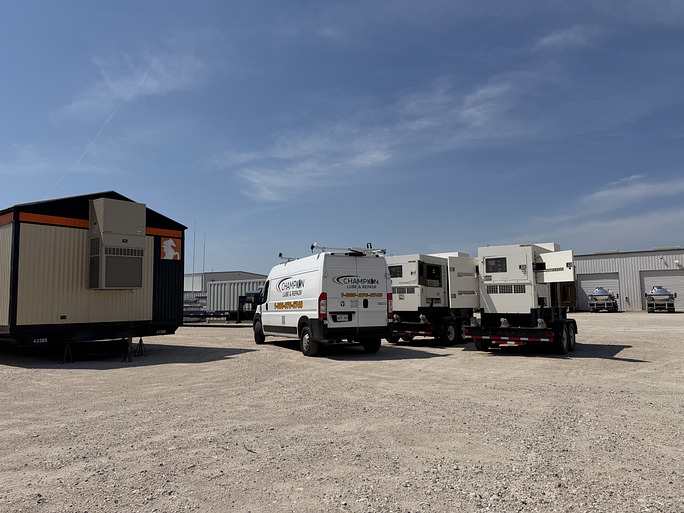
With mobile fleet repair, the technician travels to the vehicle. Instead of moving a truck, van, or other fleet vehicle to a shop, the repair service comes directly to the vehicle. This approach can be especially useful when the vehicle is still operational but needs maintenance or when moving it to a repair facility would take valuable time.
What Traditional Repair Shops Offer
Traditional repair facilities can be a good choice for complex repairs that require specialized equipment or an extended repair process. For example, major mechanical work, certain electrical problems, extensive diagnostics, or repairs that require specialized shop machinery may be better suited to a fixed facility. A repair shop also provides a controlled environment where technicians can spend more time working on a vehicle without dealing with traffic, weather, or limited space.
What Mobile Fleet Repair Offers
The main advantage of on-site fleet repair is convenience. A technician can visit your fleet location and complete eligible maintenance or repair work without requiring every vehicle to travel to a shop. Depending on the service, this can help reduce unnecessary vehicle movement and keep your operation running.
Mobile service can also be helpful for businesses with several vehicles parked at one location. Instead of arranging multiple trips to a repair facility, maintenance work can sometimes be handled where the fleet is already located.
Reducing Fleet Downtime
Downtime is one of the biggest concerns for fleet managers. A vehicle that is unavailable cannot complete deliveries, transport employees, serve customers, or support daily operations. If several vehicles require attention at the same time, the effect can become even greater.
This is where the mobile fleet repair vs repair shop decision becomes important. With a traditional shop, the process may involve scheduling an appointment, taking the vehicle to the facility, waiting for the inspection, completing the repair, and then returning the vehicle to the fleet location.
Mobile service can remove some of those transportation steps. When the repair is suitable for mobile service, the technician can work at the vehicle's current location. For businesses operating on tight schedules, saving transportation time can make a meaningful difference.
Convenience for Fleet Managers and Drivers
Fleet managers already have many responsibilities. They may need to manage vehicle schedules, drivers, fuel costs, compliance, maintenance records, and customer commitments. Adding unnecessary trips to a repair shop can make that workload more difficult.
A mobile mechanic for fleets can provide a more convenient option for routine repairs and maintenance that can be completed outside a traditional facility. For example, if several fleet vehicles are parked at a company yard, eligible services may be completed there instead of having each vehicle travel to a shop. This can also make scheduling easier. Rather than taking a vehicle out of service for a trip across town, maintenance can potentially be planned around the vehicle's existing schedule.
When a Traditional Repair Shop May Be Better
Mobile repair is convenient, but it is not the best solution for every situation. Some repairs require equipment, space, or tools that are only practical in a full-service repair facility. Major engine work, transmission repairs, extensive suspension work, or other complex repairs may require a shop environment.
A vehicle that has suffered significant mechanical damage may also need to be transported to a facility for a complete inspection and repair. Traditional shops can also be useful when a vehicle needs several repairs at once. Having access to a full facility may allow technicians to complete a wider range of work efficiently. Therefore, the goal should not be to choose mobile service for every repair. Instead, fleet operators should determine which repairs are best handled on-site and which require a traditional shop.
When Mobile Fleet Repair Makes More Sense
There are several situations where mobile service can be particularly useful.
Routine Maintenance
Preventive maintenance is essential for keeping fleet vehicles dependable. Oil services, inspections, fluid-related services, battery work, and other eligible maintenance tasks may be completed at the fleet's location. Regular maintenance can also help identify developing problems before they turn into more expensive repairs.
Minor Mechanical Repairs
Some mechanical problems do not require a vehicle to be transported to a repair facility. When the necessary tools and parts are available, a mobile technician may be able to complete the work where the vehicle is parked. This can save time and reduce disruption to operations.
Vehicles That Cannot Easily Be Moved
If a vehicle has a mechanical issue that prevents it from being driven safely, getting it to a shop can become another logistical challenge. In suitable cases, mobile fleet repair allows a technician to inspect the vehicle at its current location and determine whether the problem can be resolved there.
Fleet Yards and Business Locations
Businesses with multiple vehicles in one location can benefit from scheduled on-site fleet repair. Instead of coordinating separate shop visits, fleet managers can arrange maintenance around the location and availability of their vehicles.
Cost Considerations for Fleet Operators
Cost is another important factor when comparing mobile fleet repair vs repair shop services. The cheapest option is not always the one with the lowest service price. Fleet operators should consider the total cost of downtime, driver time, fuel, vehicle transportation, scheduling, and lost productivity.
For example, sending a vehicle to a shop may involve paying a driver or employee to move it. The vehicle may also remain unavailable while it is being inspected or repaired. Mobile service may reduce some of these indirect costs by allowing eligible work to take place at the vehicle's location. However, complex repairs may be more efficient in a shop. A repair that requires specialized equipment could take longer or cost more if it cannot be completed properly on-site. For that reason, fleet managers should compare the overall operational cost rather than focusing only on the repair invoice.
How Fleet Maintenance Services Support Long-Term Reliability
Regular maintenance is the foundation of a dependable fleet. Whether maintenance is performed at a repair shop or through mobile service, vehicles need consistent inspections and timely repairs. Preventive maintenance can help fleet operators identify worn components, fluid issues, battery problems, and other concerns before they cause unexpected downtime.
Professional fleet maintenance services can also help businesses establish a more organized maintenance routine. A good maintenance plan should consider mileage, operating conditions, vehicle age, manufacturer recommendations, and the type of work each vehicle performs.
For example, delivery vehicles that spend long hours on the road may experience different wear patterns than vehicles used for short local trips. By keeping maintenance scheduled and addressing smaller problems early, fleet operators can improve vehicle reliability and reduce the risk of unexpected breakdowns.
Mobile Service Can Help Keep Vehicles Where They Belong
A fleet vehicle is an important business asset. Its value comes from being available for work, not sitting unused in a repair facility. This is one of the strongest reasons businesses consider mobile fleet repair. When a suitable repair can be completed at the fleet's location, the vehicle does not need to spend additional time traveling to and from a shop.
This can make maintenance easier to fit into a busy operating schedule. For businesses with several vehicles, the time savings can add up. Instead of treating maintenance as a major interruption, fleet managers can plan certain services around normal operations.
Choosing Between Mobile Fleet Repair vs Repair Shop
The right choice depends on the specific repair and your fleet's operational needs.
Ask a few simple questions before scheduling service:
How Serious Is the Problem?
If the vehicle has a major mechanical failure, a traditional shop may be the better option. If the issue is suitable for field service, mobile repair may be more convenient.
Does the Repair Require Specialized Equipment?
Some jobs need equipment that is not practical to bring to the vehicle. In these cases, a repair facility may provide a better environment for the work.
How Much Downtime Can Your Fleet Handle?
If taking a vehicle out of service creates major operational problems, mobile service may provide a useful alternative for eligible repairs.
Where Are Your Vehicles Located?
If vehicles are already parked at a central yard, on-site fleet repair can be a convenient way to handle maintenance without unnecessary trips.
Can the Service Be Scheduled Around Your Operations?
A flexible maintenance schedule can help reduce disruption. Businesses should look for service options that fit their vehicle availability and operating hours.
Combining Mobile and Traditional Repair Services
Fleet operators do not necessarily have to choose only one option. In many cases, the best strategy is to use both mobile and traditional repair services based on the job. Routine maintenance and suitable minor repairs can potentially be handled through a mobile mechanic for fleets, while complex mechanical work can be directed to a traditional repair facility.
This approach gives fleet managers more flexibility. For example, a company may schedule regular maintenance at its vehicle yard while sending vehicles with major mechanical issues to a full-service repair shop. Using the right service for the right job can help improve efficiency without sacrificing repair quality.
Why Preventive Maintenance Should Come First
Regardless of where repairs are performed, prevention should be a major part of fleet management. Waiting until a vehicle breaks down can lead to higher repair costs, missed schedules, and unexpected downtime. A preventive maintenance program helps fleet operators stay ahead of problems.
Regular inspections can uncover issues before they become serious. Oil and fluid services can help support proper vehicle operation. Battery checks can reduce the risk of starting problems. Brake and tire inspections can also help address safety concerns early. Consistent fleet maintenance services can therefore play an important role in protecting both vehicles and business operations.
Final Thoughts: Which Is Better for Your Fleet?
When comparing mobile fleet repair vs repair shop services, the best choice depends on the type of repair, your fleet size, and how much downtime your business can handle. Traditional repair shops are ideal for complex repairs that require specialized equipment, while mobile repair can be a convenient option for routine maintenance and eligible repairs at your location.
The right approach may also involve using both services. By choosing the right repair option for each situation, you can reduce downtime, improve vehicle reliability, and keep your fleet operating efficiently. Need convenient repair and maintenance for your fleet? Contact Champion Lube and Repair today to discuss your fleet's needs and find the right service option for your vehicles.
Frequently Asked Questions
1. What is the difference between mobile fleet repair and a traditional repair shop?
Mobile fleet repair brings a technician to your vehicle, while a traditional repair shop requires the vehicle to be brought to a fixed facility. Mobile service can help reduce travel and downtime for eligible repairs.
2. Is mobile fleet repair suitable for all types of repairs?
No. Mobile service is best for repairs and maintenance that can be safely completed at the vehicle's location. Major mechanical repairs or jobs requiring specialized equipment may need a traditional repair shop.
3. What types of fleet maintenance can be done on-site?
Depending on the provider and vehicle, on-site services may include routine maintenance, inspections, battery services, fluid services, and certain minor mechanical repairs.
4. Can mobile fleet repair reduce vehicle downtime?
Yes. Since the technician travels to the vehicle, eligible repairs can be completed without sending the vehicle to a repair facility. This may help reduce transportation time and operational interruptions.
5. Should a fleet use mobile repair or a traditional repair shop?
Many fleets can benefit from using both. Mobile repair can handle suitable maintenance and minor repairs, while a traditional shop may be better for complex or specialized mechanical work.