How to Build a Preventive Maintenance Program for a Commercial Fleet
Keeping commercial vehicles on the road takes more than fixing problems when they happen. A well-planned fleet preventive maintenance program helps businesses find small issues before they become costly breakdowns. It also supports safer vehicles, better fuel use, longer vehicle life, and fewer interruptions to daily operations.
For fleet managers, preventive maintenance is about creating a repeatable system. Instead of waiting for a driver to report a problem, your team follows a schedule based on mileage, time, vehicle use, and manufacturer recommendations. But how do you build a program that actually works? Let’s look at the key steps.
What Is Preventive Maintenance for a Commercial Fleet?
Preventive maintenance is planned vehicle care performed before a component fails. It can include oil changes, fluid checks, tire inspections, brake service, battery testing, filter replacement, and other routine work. The goal is simple: identify wear and potential problems early.
For example, replacing a worn belt during a scheduled service is usually easier and less disruptive than dealing with a broken belt while a vehicle is making deliveries. The same idea applies to tires, brakes, cooling systems, suspension components, and other critical parts.
A strong maintenance process gives fleet managers a better understanding of each vehicle's condition. It also creates a clear record of what work has been completed and what needs attention next.
Start by Reviewing Your Fleet
Before creating a maintenance schedule, understand what you are working with. Start by reviewing every vehicle in the fleet. Record the make, model, year, mileage, engine type, vehicle class, and primary use. Also consider how each vehicle operates.
A delivery van that makes frequent short trips may have different maintenance needs than a heavy-duty truck that spends long hours on highways. Vehicles operating in extreme weather, heavy traffic, dusty environments, or demanding work conditions may also require closer attention. Look at your previous repair records as well. They can reveal recurring problems that deserve additional inspections.
This information gives you a useful starting point for building a maintenance process based on actual fleet conditions rather than using the same schedule for every vehicle.
Create a Fleet PM Program Based on Vehicle Needs
The next step is to establish maintenance intervals. A fleet PM program should combine manufacturer recommendations with your fleet's real-world operating conditions.
Common maintenance triggers include:
Mileage
Engine hours
Calendar time
Fuel usage
Vehicle age
Operating conditions
Previous repair history
For example, some inspections may need to happen every few weeks, while larger services may be scheduled at specific mileage intervals. It is important not to rely on mileage alone. A vehicle that spends many hours idling can accumulate significant engine hours even when its odometer does not increase quickly. Your maintenance schedule should therefore reflect how vehicles are actually used.
Build a Preventive Maintenance Plan for Vehicles
Once intervals are established, organize the work into practical service categories.
Routine Inspections
Routine inspections can catch visible problems before they affect vehicle performance. These checks may include tires, lights, fluid levels, belts, hoses, brakes, windshield wipers, and other easily inspected components. Drivers can also perform basic pre-trip inspections and report unusual noises, warning lights, leaks, vibrations, or changes in vehicle performance.
Fluid and Filter Service
Engine oil and other fluids play an important role in vehicle reliability. Depending on the vehicle, maintenance may include engine oil, coolant, transmission fluid, brake fluid, power steering fluid, and other system checks. Filters should also be inspected and replaced according to the appropriate service interval and operating conditions.
Brake and Tire Maintenance
Brakes and tires directly affect vehicle safety. Regular inspections can help identify uneven tire wear, low tread depth, damaged tires, worn brake components, or other concerns. Keeping tires properly inflated can also support better fuel efficiency and handling.
Battery and Electrical Checks
Battery problems can leave commercial vehicles unable to start. Periodic battery testing and inspection of terminals, cables, charging systems, and electrical connections can help reduce unexpected starting problems.
Use Maintenance Records to Track Every Vehicle
A maintenance program is only effective when the work is documented. Create a maintenance record for each vehicle. Track services completed, parts replaced, inspection findings, mileage, dates, and upcoming maintenance requirements.
Digital fleet management tools can make this process easier. They can help managers organize service histories and identify vehicles that are approaching their next maintenance interval.
Good records also make it easier to identify patterns. If several vehicles develop similar problems around the same mileage, that information may indicate a maintenance issue worth addressing across the fleet.
Set Clear Responsibilities for Drivers and Technicians
Everyone involved with the fleet should understand their role. Drivers are often the first people to notice changes in vehicle performance. They should know how and when to report warning lights, unusual sounds, handling problems, fluid leaks, or other concerns. Fleet managers can then review those reports and determine whether immediate service is needed.
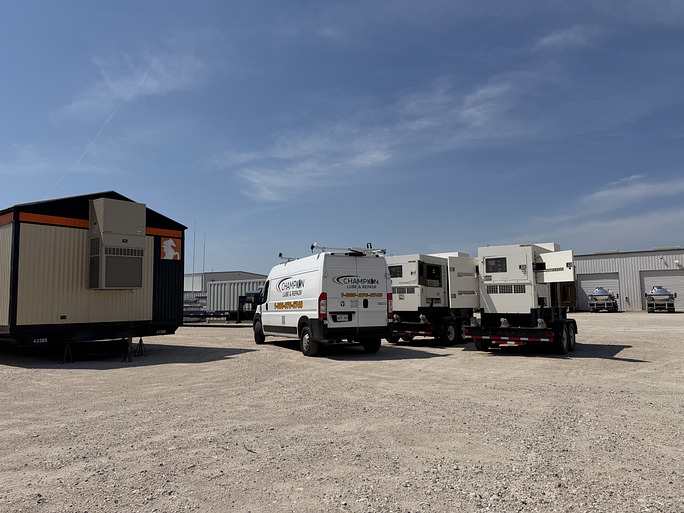
Technicians or service providers handle inspections, repairs, and scheduled maintenance. Clear communication between drivers, managers, and technicians helps prevent important issues from being overlooked. For businesses that rely heavily on their vehicles, working with a professional fleet service provider can also make scheduled maintenance easier to coordinate. For example, Champion Lube and Repair can support businesses that need reliable vehicle service while keeping their fleet maintenance needs organized.
Schedule Maintenance Before Vehicles Become Due
One common mistake is waiting until a vehicle reaches its exact service interval before arranging maintenance. Instead, schedule service slightly ahead of the due point whenever possible. This provides some flexibility if a vehicle's workload changes or the service facility becomes busy.
It can also prevent several vehicles from becoming due at the same time. For larger fleets, consider creating weekly or monthly maintenance targets. This makes workload planning easier and helps reduce the chance of multiple vehicles being unavailable at once.
Monitor Maintenance Costs and Vehicle Performance
A preventive maintenance strategy should not only focus on completing service. You should also measure whether the program is working.
Track metrics such as:
Unplanned breakdowns
Repair costs
Maintenance costs per vehicle
Vehicle downtime
Repeat repairs
Tire replacement frequency
Fuel consumption
On-time maintenance completion
Over time, these numbers can show whether your maintenance approach is reducing unexpected repairs. For example, if roadside breakdowns decrease after introducing regular inspections, that is a strong sign that the process is helping. If repair costs continue to rise for a particular vehicle, it may be time to evaluate whether keeping that vehicle in service still makes financial sense.
Update the Program as Your Fleet Changes
A maintenance program should not remain unchanged forever. Vehicles age, workloads change, and operating conditions can shift. New vehicles may also enter the fleet while older ones are retired. Review your maintenance process regularly. Look for missed services, recurring failures, rising costs, and areas where inspections could be improved.
Manufacturer service recommendations should remain an important reference, but real-world fleet data can help you refine the schedule. For example, if a certain component consistently shows excessive wear before its scheduled inspection, you may decide to check it more frequently.
Benefits of Fleet Preventive Maintenance
A properly managed Fleet Preventive Maintenance strategy can provide several long-term benefits. First, it can reduce unexpected vehicle downtime. When maintenance is planned, businesses have more control over when vehicles are taken out of service.
Second, it can help extend vehicle life. Regular inspections and timely repairs allow problems to be addressed before they cause additional damage.
Third, preventive maintenance can support safer fleet operations. Tires, brakes, steering components, lights, and other safety-related systems can be checked on a consistent schedule.
Finally, planned maintenance can make fleet expenses easier to manage. Although preventive service requires regular investment, catching problems early can help avoid larger repair bills and costly operational disruptions.
Create a Maintenance Routine That Your Team Can Follow
The best maintenance program is one that your team can consistently follow. Start with accurate vehicle information, establish service intervals, assign responsibilities, document every maintenance event, and review your results regularly.
Keep the process simple enough for drivers and fleet managers to understand. Use reminders so scheduled services do not get missed, and make sure technicians have access to each vehicle's maintenance history. Most importantly, treat maintenance as an ongoing part of fleet operations rather than an emergency response.
Conclusion: Keep Your Commercial Fleet Ready for the Road
Building a reliable maintenance system takes planning, but the benefits can add up over time. A fleet preventive maintenance program gives commercial fleet managers a structured way to inspect vehicles, schedule service, control downtime, and identify problems before they become major repairs.
Start by understanding your vehicles and how they are used. Then create service intervals, document maintenance, involve drivers, monitor costs, and adjust the program as your fleet changes.
Need dependable service for your commercial vehicles? Contact Champion Lube and Repair to discuss your fleet maintenance needs and keep your vehicles working when your business needs them most.
Frequently Asked Questions
1. How often should commercial fleet vehicles receive preventive maintenance?
The correct interval depends on the vehicle, mileage, engine hours, manufacturer recommendations, and operating conditions. High-use vehicles may need inspections and service more often than vehicles with lighter workloads.
2. What should be included in a fleet maintenance program?
A program can include oil and filter service, tire inspections, brake checks, fluid inspections, battery testing, belts and hoses, lights, suspension components, and other manufacturer-recommended services.
3. Can preventive maintenance reduce fleet downtime?
Yes. Regular inspections can help identify worn or failing components before they cause unexpected breakdowns. Planned service also allows managers to schedule vehicle downtime more efficiently.
4. Should drivers be involved in preventive maintenance?
Yes. Drivers can perform basic pre-trip checks and report warning lights, unusual noises, leaks, vibrations, or other changes in vehicle performance. Their feedback can help maintenance teams catch issues earlier.
5. How can fleet managers improve preventive maintenance?
Start with accurate vehicle records, use consistent service intervals, track completed work, monitor repair trends, and review maintenance results regularly. Using digital reminders or fleet management software can also help prevent missed services.