
Light-Duty vs. Medium-Duty Fleet Maintenance: What Changes?
Fleet vehicles do not all face the same workload. A small service van may spend most of the day driving around town. A heavier work truck may carry large loads, tow equipment, or operate for long hours. Because of these differences, light-duty vs. medium-duty fleet maintenance requires service plans that account for each vehicle's classification, operating conditions, and manufacturer recommendations.
Under the FHWA framework, light-duty covers Classes 1–2, up to 10,000 lb GVWR; medium-duty covers Classes 3–6, 10,001–26,000 lb GVWR. Regulatory definitions can differ, so check the vehicle's rating.
Vehicle classification should be based on its applicable rated weight and regulatory framework, not appearance or job type alone.
Understanding these distinctions helps fleet managers protect vehicles, reduce downtime, and control repair costs. Both vehicle classes need regular inspections, appropriate fluid service, tire and brake checks, and preventive maintenance. However, the specific requirements depend on the vehicle's design and how it operates.
What Makes Light-Duty and Medium-Duty Vehicles Different?
Light-duty vehicles often include cars, SUVs, pickup trucks, and smaller vans. They may support sales teams, delivery routes, contractors, or local service crews.
Medium-duty vehicles generally include vehicles designed for higher gross vehicle weight ratings. Examples can include larger box trucks, work trucks, delivery trucks, and other commercial vehicles.
The main difference is not simply vehicle size or the type of work it performs. Classification depends on the vehicle's GVWR under the applicable regulatory framework.
Operating conditions also matter. A vehicle that regularly carries heavy loads, travels long distances, experiences frequent stops, or spends extended periods idling may have different maintenance requirements from one used for lighter, less demanding service.
Fleet managers should consider these factors when developing maintenance schedules rather than assuming every vehicle within a particular class requires the same service approach.
Light-Duty vs. Medium-Duty Fleet Maintenance Schedules
A light-duty fleet can often follow service intervals based on manufacturer guidance, mileage, time, engine hours, and driving conditions.
Oil changes, tire checks, brake inspections, fluid checks, and filter replacements form the foundation of routine service. However, commercial use can affect maintenance needs. Stop-and-go traffic, frequent idling, towing, heavy cargo, and dusty roads can increase component wear.
For this reason, fleet managers should track how each vehicle is actually used rather than relying on mileage alone.
Inspection frequency depends on the manufacturer's schedule, powertrain and actual duty cycle; vehicle class alone does not determine it.
A good maintenance schedule should consider:
Vehicle mileage
Time since the previous service
Engine hours
Load weight and operating patterns
Towing activity, where applicable
Route and road conditions
Idling time
Weather and environmental exposure
Manufacturer recommendations
Previous repairs and service history
Using these factors helps fleet managers establish service intervals that reflect actual vehicle requirements instead of applying one universal mileage schedule across the fleet.
Comparing Light-Duty and Medium-Duty Maintenance Requirements
Light-duty and medium-duty vehicles have different maintenance needs depending on their design, operating conditions, and workload.
For light-duty vehicles, maintenance usually involves routine checks based on mileage, time, engine hours, and manufacturer recommendations. Regular oil changes, brake inspections, tire checks, and fluid service help keep these vehicles in good working condition.
Medium-duty vehicles may operate with heavier loads, longer hours, or more demanding routes. Their maintenance plans should consider mileage, time, and engine hours, along with the condition of their engine, applicable aftertreatment systems, brakes, and tires.
Tire inspections are important for both vehicle classes. Technicians should check tire pressure, tread depth, overall condition, and load ratings to ensure they meet the vehicle's specifications.
The equipment and expertise needed for maintenance can also vary. Some medium-duty vehicles may require heavier-capacity tools, specialized diagnostic equipment, or technicians familiar with their specific systems.
Ultimately, maintenance requirements should be based on the vehicle's specifications, actual duty cycle, service history, and manufacturer's guidance rather than vehicle class alone.
Oil and Fluid Service Needs
Oil protects the engine by reducing friction and helping control heat. Both light-duty and medium-duty vehicles need the correct oil type, specification, and service interval.
Operating conditions can influence how quickly fluids deteriorate. Heavy loads, frequent idling, extended operating hours, and demanding routes may affect maintenance requirements.
Routine fluid inspections should cover fluids applicable to the vehicle's systems and specified by its manufacturer.
Depending on the vehicle, this may include:
Engine oil
Transmission fluid
Engine coolant
Brake fluid
Power steering fluid
Other manufacturer-specified fluids
Fleet managers and technicians should also watch for leaks. A small leak can become a major repair if it is ignored.
Fluid levels should be checked during scheduled inspections. Any unusual color, odor, contamination, or unexplained fluid loss should be investigated.
Following the manufacturer's fluid specifications and replacement recommendations helps protect vehicle components and maintain reliable operation.
Brakes and Tires Need Regular Attention
Brakes and tires are critical for every fleet vehicle. Their maintenance requirements depend on vehicle specifications, operating conditions, vehicle weight, and actual usage.
A heavily loaded vehicle can place additional demands on its braking system. Frequent stops, steep routes, and prolonged braking may also contribute to heat and wear.
Brake inspections should follow the manufacturer's recommendations and account for the braking system installed on the vehicle. Technicians should check for worn components, leaks, unusual noises, and changes in braking performance.
Tires also deserve close attention. Incorrect tire pressure can increase wear and reduce fuel efficiency. It can also affect handling and braking.
For both light-duty and medium-duty vehicles, fleet managers should verify:
Tire pressure
Tread depth
Sidewall condition
Uneven or unusual wear
Appropriate load ratings
Signs of damage
Medium-duty vehicles may use tires designed for higher load capacities, so technicians should verify that the installed tires meet the vehicle's specifications.
For light-duty vehicles, routine tire rotation and pressure checks can help extend tire life. These checks can also reveal alignment or suspension problems before they become larger repairs.
Engine and Cooling System Checks
Engine performance is another area where workload and operating conditions matter.
Light-duty fleet vehicles may experience frequent short trips. Short trips can prevent the engine from reaching normal operating temperature. Long periods of idling can also add engine hours without adding much mileage.
Medium-duty vehicles may experience different operating demands depending on their powertrain, load, and duty cycle. Extended operating periods and demanding conditions can increase heat and stress on engine components.
Cooling system inspections are important for both classes. Technicians should check coolant levels, hoses, belts, radiators, and signs of overheating.
Where applicable, inspections should also account for manufacturer-specified engine and aftertreatment system requirements.
Warning signs such as rising temperatures, coolant loss, unusual smells, or reduced engine performance should not be ignored.
Suspension and Steering Service
Suspension components support vehicle weight and help maintain safe handling.
Light-duty vehicles used for local service work may develop suspension wear from rough roads, frequent stops, or equipment carried in the vehicle.
Medium-duty vehicles may experience different suspension demands depending on their rated capacity, load distribution, road conditions, and operating patterns.
Routine inspections should look for:
Worn shocks and other suspension components
Damaged bushings
Loose or damaged components
Uneven tire wear
Steering issues
Unusual noises or changes in handling
Early detection can help prevent a small suspension problem from affecting other parts of the vehicle.
Light-Duty Fleet Service Requires Consistency
Smaller vehicles can sometimes appear easier to maintain. However, a large light-duty fleet can create its own challenges.
When several vans or pickups travel every day, missed service can quickly become a fleet-wide problem. One overdue oil change may seem minor. Several overdue vehicles can create significant downtime.
A consistent maintenance program should track every vehicle separately. Digital records can help managers monitor service dates, mileage, engine hours, repairs, tire replacements, and upcoming inspections.
This approach makes it easier to spot patterns. For example, repeated brake repairs on one vehicle may indicate a driving, route, or mechanical issue that needs attention.
Maintaining accurate service records also helps technicians understand previous repairs and identify recurring problems before they lead to unexpected downtime.
When Medium-Duty Vehicles Need More Detailed Service
Medium-duty vehicles can operate under demanding conditions. A delivery truck may make dozens of stops each day. A work truck may carry tools and materials. Another vehicle may spend extended periods on highways while carrying substantial loads.
These operating conditions can influence component wear and maintenance requirements.
Service inspections should account for the vehicle's actual configuration and may include checks of:
Braking systems
Suspension and steering
Tires and wheels
Engine and drivetrain components
Cooling systems
Applicable emissions and aftertreatment systems
Electrical systems
The required inspection procedures depend on the manufacturer's guidance and the systems installed on the vehicle.
Preventive service is especially useful for vehicles that are essential to daily operations. Finding a worn component in the shop is usually easier to manage than discovering the same problem during a route.
How to Build the Right Fleet Maintenance Plan
There is no single maintenance schedule that fits every fleet.
Start by recording each vehicle's classification, GVWR, powertrain, and installed systems. Then document mileage, engine hours, load patterns, routes, and service history.
Next, follow the manufacturer's recommended service intervals. Consider mileage, elapsed time, engine hours, and actual duty cycle when determining when maintenance is due.
Fleet managers should also establish inspection routines for drivers. A quick pre-trip check can identify low tire pressure, fluid leaks, warning lights, damaged lights, or other visible problems.
Regular professional inspections should support these daily checks.
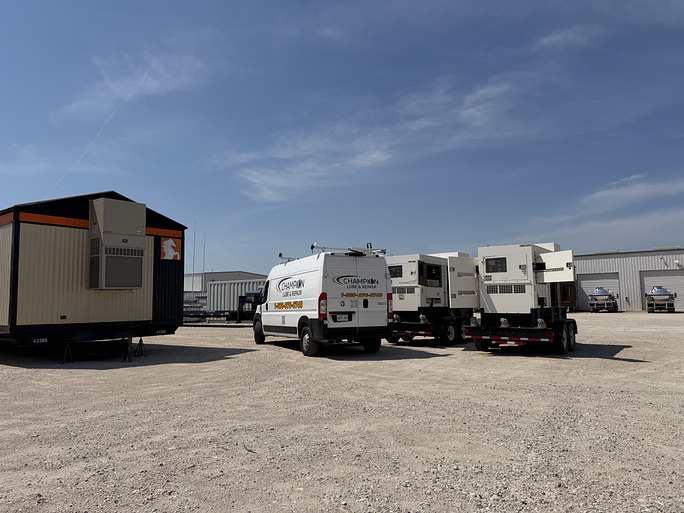
For larger fleets, mobile service can also reduce the time vehicles spend traveling to a repair facility. A mobile technician can handle certain maintenance tasks at a job site, yard, or other convenient location.
Champion Lube and Repair can be part of a fleet's maintenance strategy by helping businesses address routine service and repair needs.
Why Preventive Maintenance Matters for Both Classes
The goal of preventive maintenance is simple: find problems before they cause unexpected downtime.
Skipping service can allow small issues to grow. A worn belt may lead to a breakdown. Poor tire pressure can cause uneven wear. A small fluid leak can develop into a larger mechanical problem.
Preventive maintenance also makes fleet costs easier to plan. Scheduled service is easier to budget than an unexpected breakdown during a busy workday.
The right approach is not simply servicing vehicles more often. It is servicing them at intervals that match their design, manufacturer recommendations, workload, and operating conditions.
Final Thoughts
Understanding light-duty vs. medium-duty fleet maintenance helps fleet managers create service plans that match real-world vehicle requirements.
Light-duty and medium-duty vehicles both need consistent preventive care. Their specific maintenance requirements depend on GVWR, vehicle configuration, powertrain, installed systems, and actual duty cycle.
The key is to track each vehicle individually, follow manufacturer guidance, account for engine hours and service history, inspect vehicles regularly, and respond quickly when warning signs appear.
If your business needs help keeping fleet vehicles on schedule, contact Champion Lube and Repair to discuss your maintenance and repair needs. A proactive service plan can help keep vehicles working and your business moving.
FAQs
1. What is the main difference between light-duty and medium-duty maintenance?
The main difference is the vehicle's classification, configuration, and operating requirements. Under the FHWA framework, light-duty vehicles cover Classes 1–2, while medium-duty vehicles cover Classes 3–6. Maintenance requirements depend on manufacturer specifications, installed systems, and actual operating conditions.
2. How often should fleet vehicles receive maintenance?
Service intervals depend on the vehicle, mileage, elapsed time, engine hours, manufacturer recommendations, and operating conditions. Fleet managers should follow the recommended schedule and account for actual duty cycles and service history rather than relying on one universal mileage interval.
3. Are medium-duty trucks more expensive to maintain?
Maintenance costs can vary depending on vehicle specifications, component requirements, operating conditions, and repair needs. Some medium-duty vehicles may require higher-capacity equipment or specialized service procedures. Regular preventive maintenance can help reduce unexpected repair expenses.
4. Should fleet managers track engine hours?
Yes. Engine hours provide useful information for vehicles that spend long periods idling or operating at low speeds. Mileage alone may not show the full extent of engine use, making engine-hour records a valuable part of fleet maintenance planning.
5. Can mobile fleet service help reduce downtime?
Yes. Depending on the repair or maintenance task, mobile service can allow technicians to work at a fleet yard, job site, or other convenient location. This may reduce time spent transporting vehicles to a repair facility.