
Check Engine Light in a Fleet Vehicle: Stop, Schedule or Keep Driving?
A warning light on a work vehicle can create a tough choice. Should the driver stop immediately? Can the vehicle finish the route? Or should the fleet manager schedule service soon?
A fleet vehicle check engine light does not always mean a major engine failure. However, it should never be ignored. The light can point to issues with the engine, emissions system, sensors, fuel system, or other components.
For fleet operators, the right response depends on the exact warning, vehicle behavior, and manufacturer instructions. Understanding different warning lights and their possible causes can help prevent a minor fault from becoming a costly breakdown.
What Does a Fleet Vehicle Check Engine Light Mean?
The check engine light is part of the vehicle's onboard diagnostic system. When the system detects a fault, it stores a diagnostic trouble code and may turn on the warning light.
The problem could be simple, such as a loose fuel cap on a gasoline vehicle. It could also involve a failing sensor, ignition problem, fuel issue, or emissions fault.
The warning light itself does not tell you the exact cause. A diagnostic scan can retrieve the stored code and help guide the repair process. However, a fault code does not conclusively identify the failed part. A technician may need to inspect and test related components before confirming the actual problem.
Fleet managers should also consider the vehicle's condition and the type of warning displayed. A warning light with no other symptoms still needs attention. Some critical warnings can require immediate action even when the vehicle appears to operate normally.
When Should You Stop Driving Immediately?
A steady check engine light is different from a flashing one. A flashing check engine light can indicate a serious engine problem, such as an active misfire in a gasoline vehicle. Continued operation may increase damage to the engine or emissions system.
However, drivers should not rely on the check engine light alone when deciding whether to continue driving.
Stop the vehicle safely when the manufacturer instructs you to do so or when a critical warning appears. Watch for signs such as:
· Severe engine shaking
· Sudden loss of power
· Heavy smoke
· Burning smells
· Overheating
· Unusual engine noises
· Poor braking or steering
· Multiple warning lights
· Major fluid leaks
Critical warnings can require action even without smoke, rough running, or other noticeable symptoms.
Drivers should identify the exact warning lamp or message, consult the vehicle manual and maintenance/dispatch team, and move the vehicle only as permitted. A steady light alone does not clear a vehicle to finish its route.
If the vehicle must stop, safety should come before completing a delivery or meeting a work deadline. Move to a safe location when permitted and arrange professional assistance.
When Should You Schedule Service?
A steady check engine light with normal vehicle operation may be less urgent than a flashing warning. However, drivers and fleet managers should not assume that the vehicle is safe to continue operating.
For example, the vehicle may start and drive normally while a sensor or emissions component is developing a fault. The issue could become worse over time.
A fleet manager should record the warning, identify the exact message, check for changes in vehicle behavior, and consult the manufacturer's instructions.
The maintenance team can then arrange an inspection based on the warning, vehicle condition, and operational requirements.
Scheduling service promptly can help reduce unexpected downtime. It also gives technicians a chance to diagnose the issue before it affects other systems.
When Is It Reasonable to Continue Driving?
There may be situations where the manufacturer permits a vehicle with a steady check engine light to continue to a suitable service location.
However, this decision should never be based only on the fact that the vehicle appears to operate normally.
The driver and fleet manager should:
· Identify the exact warning lamp or message.
· Consult the vehicle manual for the recommended response.
· Contact the maintenance or dispatch team.
· Check for additional warning lights or changes in performance.
· Follow the manufacturer's operating restrictions.
The vehicle should only move as permitted by the vehicle-specific instructions.
Fleet vehicles often cover more miles than personal vehicles. A minor issue can become more serious when a vehicle spends long hours on the road. Documenting the warning and arranging professional diagnosis can help prevent further problems.
Common Causes of a Commercial Vehicle Check Engine Light
A commercial vehicle check engine light can have several causes. The exact problem depends on the vehicle type, engine design, and diagnostic code.
Common examples include:
Loose or Damaged Fuel Cap (Gasoline Vehicles)
A fuel cap that does not seal correctly can trigger an emissions-related warning on some gasoline vehicles. This can happen when the cap is loose, damaged, or not fitted correctly.
Although this may be a relatively simple issue, the warning may remain until the vehicle completes its required system checks.
This example is specific to gasoline vehicles and should not be treated as a universal explanation for diesel fleet warnings.
Faulty Oxygen or Airflow Sensors
Oxygen and airflow sensors help the engine control fuel and air levels. A faulty sensor can affect fuel economy, engine performance, and emissions.
If the system receives incorrect information, it may activate the check engine light. A technician can use diagnostic information and further testing to determine whether the sensor or another related component is responsible.
Ignition Problems (Gasoline Vehicles)
Spark plugs and ignition coils are important parts of gasoline engine ignition systems. Faults in these components can cause engine misfires, rough running, reduced performance, and warning lights.
A flashing check engine light on a gasoline vehicle may indicate an active misfire that requires prompt attention.
Spark plugs and ignition coils are gasoline-specific examples. They should not be presented as general causes of diesel engine warnings.
Emissions System Faults
Modern commercial vehicles use different systems to control emissions. Problems with these components can activate warning lights and may affect vehicle operation.
Diesel vehicles may have separate DPF, DEF or other aftertreatment warnings, and some faults can lead to reduced engine power. Follow the vehicle-specific warning instructions and arrange professional diagnosis.
Fuel System Issues
Fuel pressure problems, injector faults, or other fuel system issues can cause poor performance and warning lights.
The symptoms and possible causes vary between gasoline and diesel engines. Professional testing helps identify the affected system and determine the correct repair.
A diagnostic scan helps narrow down the possible cause instead of relying on guesswork. However, the stored fault code is only a starting point. Professional inspection and testing are important before replacing parts or confirming a repair.
What Fleet Drivers Should Check First
When a warning appears, drivers should stay calm and focus on safety.
First, identify whether the symbol is the check engine light or another warning. Check whether it is steady or flashing and read any message displayed on the dashboard.
Drivers should also distinguish the amber check-engine or malfunction indicator lamp (MIL) from other critical warnings, including:
· STOP-engine warnings
· Oil-pressure warnings
· Engine-temperature warnings
· Brake system warnings
· Low air-pressure warnings
These warnings do not all have the same meaning or response. Critical warnings can require immediate action even when there is no smoke, rough running, or other noticeable symptom.
Manufacturer instructions take priority over general advice.
Drivers should report the exact warning and any changes in vehicle behavior to the fleet manager. Useful details include:
· When the warning appeared
· Whether it appeared during acceleration or at idle
· Whether it is steady or flashing
· Whether other warning lights appeared
· Whether the vehicle experienced power loss, unusual noises, or temperature changes
If the vehicle appears unsafe or the manufacturer requires a stop, it should not continue the route simply to meet a delivery deadline.
Clear driver reporting can help technicians understand the problem and plan the next inspection.
How Fleet Managers Can Reduce Check Engine Problems
Preventive maintenance plays an important role in fleet reliability.
Follow the manufacturer's recommended service intervals for oil changes, filters, fluids, spark plugs where applicable, and other maintenance items. Keep accurate service records for each vehicle.
Drivers should also receive basic training on dashboard warning lights and vehicle safety checks.
A fleet maintenance plan should include:
· Regular vehicle inspections
· Scheduled oil and filter service
· Fluid checks
· Battery inspections
· Tire checks
· Diagnostic testing when warning lights appear
· Prompt attention to recurring issues
A recurring check-engine warning should also be tracked in the vehicle's maintenance record. Repeated warnings may point to an unresolved problem that needs deeper diagnosis.
Fleet managers should review maintenance records regularly to identify patterns. If the same warning appears repeatedly, technicians should investigate the underlying issue rather than simply clearing the code.
Why Fast Diagnosis Matters for Fleet Operations
A vehicle that stays in service is important to daily fleet operations. However, keeping a vehicle moving with an unresolved problem can create additional costs.
A small fault may affect fuel economy or vehicle performance. In other cases, continued operation may turn a repair into a larger mechanical issue.
Fast diagnosis helps fleet managers make informed decisions. The vehicle may need a simple repair, scheduled maintenance, or immediate attention based on the manufacturer's instructions and inspection findings.
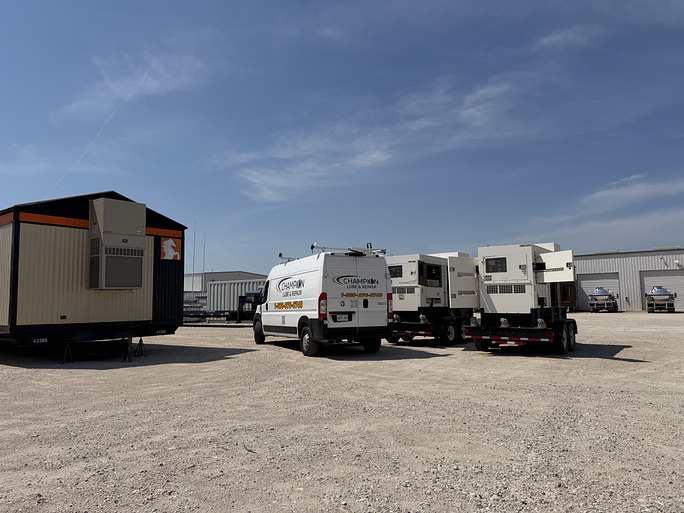
Mobile service can also be useful for some fleets because technicians may be able to inspect or service vehicles at the job site, yard, or another convenient location.
For fleet operators, make 'Champion Lube and Repair' a part of a planned maintenance approach that helps keep work vehicles ready for the road.
A Simple Decision Process for Drivers
When a warning light appears, drivers can use this basic process:
1. Identify the warning.
Check whether the symbol is the amber check engine/MIL or a different warning, such as STOP-engine, oil pressure, temperature, or brake/air pressure.
2. Check the warning instructions.
Read the dashboard message and consult the vehicle manual. Manufacturer instructions take priority over general guidance.
3. Check for additional symptoms.
Look for shaking, smoke, overheating, unusual noises, major power loss, or other changes. Remember that critical warnings can require action even without these symptoms.
4. Contact the maintenance or dispatch team.
Report the exact warning and follow the instructions provided. Move the vehicle only as permitted. A steady check engine light alone does not mean the vehicle is cleared to finish its route.
5. Arrange professional diagnosis.
Record the warning and review the vehicle's maintenance history. A technician should retrieve and interpret the diagnostic codes, inspect the relevant components, and determine the actual cause.
This approach gives drivers and fleet managers a clear starting point without encouraging them to diagnose mechanical problems themselves.
Final Thoughts
A check engine warning does not always mean a vehicle must stop immediately. However, every warning deserves attention, and drivers should never assume that a steady light means the vehicle can safely finish its route.
Understanding the difference between a check engine light, a flashing warning, and critical engine or brake-related warnings can help fleet managers make better maintenance decisions.
Always follow the vehicle-specific instructions, prioritize safety, and arrange professional diagnosis when a warning appears. Remember that a diagnostic fault code does not conclusively identify the failed part. Proper inspection and testing are necessary to confirm the problem.
Need help keeping your fleet vehicles road-ready? Contact Champion Lube and Repair to schedule professional vehicle maintenance and repair service.
FAQs
1. Can a fleet vehicle drive with the check engine light on?
Whether a fleet vehicle can continue moving depends on the exact warning and the manufacturer's instructions. Identify the exact warning lamp or message, consult the vehicle manual and maintenance/dispatch team, and move the vehicle only as permitted. A steady light alone does not clear a vehicle to finish its route.
2. What does a flashing check engine light mean?
A flashing check engine light can indicate a serious problem, such as an active engine misfire in a gasoline vehicle. Drivers should follow the vehicle-specific instructions, stop safely when required, and arrange professional service.
3. Can a diagnostic scan identify the problem?
A diagnostic scan can retrieve stored trouble codes and help identify the affected system. However, a fault code does not conclusively identify the failed part. A technician must interpret the codes and perform further inspections or tests to determine the actual cause.
4. Can a loose fuel cap cause a warning light?
Yes. A loose or damaged fuel cap can trigger an emissions-related warning on some gasoline vehicles. However, this is not a general explanation for diesel vehicle warnings. The exact cause should be confirmed through appropriate diagnostic checks.
5. How can fleet managers prevent warning-light problems?
Regular maintenance, timely inspections, accurate service records, and quick attention to new warnings can help identify vehicle problems before they cause unexpected downtime. Drivers should also understand the difference between check engine warnings and critical safety-related dashboard alerts.