What Counts as an Emergency Fleet Repair
Keeping fleet vehicles on the road is important for any business that depends on transportation. A sudden breakdown can stop deliveries, delay service calls, or leave drivers stranded. Knowing when a problem needs emergency fleet repair can help fleet managers respond before a small issue becomes a major disruption.
Not every warning light or unusual sound requires an immediate repair. Some problems can wait until the next planned service visit. Others can create a safety risk or leave a vehicle unable to operate. This guide explains what counts as an emergency, what signs fleet managers should watch for, and how mobile repair support can help reduce downtime.
What Is an Emergency Fleet Repair?
An emergency repair is a vehicle repair that cannot safely or reasonably wait for a scheduled maintenance appointment. The key factors are safety, vehicle function, and business impact. A truck with a flat tire may need immediate help if it is stopped on the road. Have the leak identified before deciding whether the vehicle can move. Do not continue driving with a suspected fuel leak or a safety-critical fluid-system fault.
Emergency repairs can involve many systems, including:
Brakes
Tires and wheels
Engine systems
Cooling systems
Electrical components
Steering and suspension
Battery and charging systems
Fuel systems
Transmission components
The exact response depends on the vehicle, the fault, and where the breakdown occurs.
When Does a Fleet Repair Become an Emergency?
A useful rule is simple: if continuing to drive could put people, the vehicle, or other road users at risk, the issue should be treated as urgent.
Brake Problems
Brake issues should receive immediate attention. A driver may notice grinding, squealing, vibration, a soft pedal, or reduced stopping power. A vehicle with a serious brake problem should not continue operating simply to finish a route. The potential safety risk is too high.
Tire or Wheel Damage
A flat tire is one of the most common roadside problems. However, damaged sidewalls, exposed cords, severe tread loss, or wheel damage can make driving unsafe. A mobile technician may be able to inspect the problem and determine whether the vehicle can be repaired on site or needs further service.
Overheating
An overheating engine can cause major damage if the vehicle keeps running. Drivers should watch for a high temperature reading, steam, warning lights, or unusual smells. The vehicle should be stopped safely and allowed to cool before further action is taken.
Never open a hot pressurized coolant cap. Cooling down alone does not establish that the vehicle is safe to resume driving. Continuing to drive an overheating vehicle can turn a cooling-system problem into a much more expensive engine repair. The vehicle should be assessed before it returns to service.
Engine Failure
A sudden loss of power, severe knocking, heavy smoke, or an engine that will not start can stop a fleet vehicle completely. In this situation, an urgent fleet repair response may help identify the cause and determine the next step. Depending on the fault, the technician may complete a roadside repair or recommend towing.
Electrical and Battery Problems
Electrical faults can create sudden problems for commercial vehicles. A weak battery may cause slow cranking or a no-start condition. More serious electrical faults can affect lights, ignition, charging systems, or other critical components.
For vehicles working early mornings, late nights, or long routes, a dead battery can quickly become a major operational problem. A technician can test the battery, charging system, connections, and related components to identify the source of the failure.
Warning Lights: When Should You Stop?
Not every dashboard warning means the vehicle must stop immediately. For example, some maintenance reminders can be handled during the next scheduled service. However, warning lights connected to critical systems deserve closer attention.
Drivers should follow the vehicle manufacturer's guidance and company safety procedures. If a warning is accompanied by unusual noise, smoke, loss of power, overheating, poor braking, or other serious symptoms, the vehicle should be pulled over when it is safe to do so.
A critical warning may require stopping and shutting down even without other symptoms. Follow the vehicle manual and company procedures. Fleet managers should also avoid telling drivers to ignore repeated warning lights. A small issue can become a major breakdown when it is left unchecked.
How Mobile Emergency Fleet Repair Helps
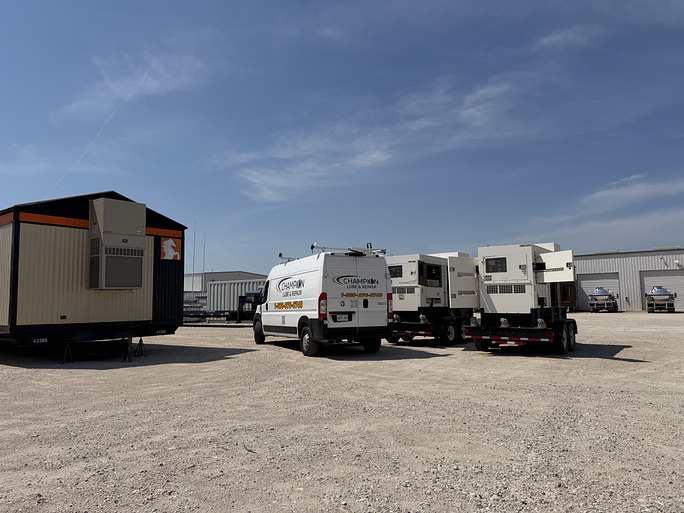
When a vehicle breaks down away from the shop, getting it back to a service location can take time. Mobile emergency fleet repair can bring repair support closer to the vehicle. Depending on the problem and service area, a mobile technician may inspect the vehicle, perform basic diagnostics, replace certain parts, or complete roadside repairs. This can be useful for businesses with vehicles spread across multiple locations.
Mobile service may also reduce the need to arrange a tow for problems that can be repaired where the vehicle is parked. However, not every repair can be completed roadside. Major engine, transmission, or structural problems may still require shop-based service. In some situations, injury, fire, or immediate traffic danger may require emergency responders before mechanical assistance. Drivers should prioritize personal safety and follow emergency procedures rather than waiting for a mechanic.
Common Fleet Problems That May Need Immediate Attention
Fleet managers should create clear procedures for common breakdown situations.
Some examples include:
Vehicle will not start
Severe brake problems
Flat or damaged tire
Engine overheating
Loss of steering control
Major fluid leak
Sudden loss of engine power
Serious electrical failure
Broken belts or hoses
Warning signs of engine damage
The response should depend on the severity of the issue. Drivers should never be encouraged to continue driving when doing so could create a safety hazard.
Emergency Repairs vs. Routine Maintenance
One of the best ways to reduce emergency calls is to maintain vehicles before problems become severe. Routine service may include oil changes, fluid checks, filter replacement, tire inspections, brake inspections, battery testing, and other manufacturer-recommended maintenance.
Preventive service does not eliminate every breakdown. Parts can fail without warning. Road conditions can also cause unexpected damage. However, regular inspections give fleet managers a better chance of finding worn parts before they create an unexpected roadside problem.
This is especially important for high-mileage vehicles and vehicles that operate under heavy loads or demanding conditions. Routine maintenance and breakdown response serve different purposes. Scheduled service helps keep vehicles in good condition, while emergency repair addresses unexpected problems that affect vehicle safety or operation.
Build a Fleet Emergency Response Plan
Every fleet should have a simple response process for breakdowns. Start by giving drivers clear instructions on what to do when a vehicle becomes unsafe or stops operating. The process should cover safe parking, communication with dispatch, roadside safety, and contacting repair support.
Fleet managers should also keep key information available, such as:
Vehicle identification numbers
Driver contact details
Current vehicle locations
Service records
Tire and battery information
Approved repair providers
Emergency contact numbers
A clear process can reduce confusion when a breakdown happens during a busy route.
The response checklist should also remind drivers to:
Move to a safe location when possible.
Follow company roadside safety procedures.
Watch for smoke, fire, leaking fluids, or other hazards.
Follow the vehicle manual and company procedures for warning lights.
A critical warning may require stopping and shutting down even without other symptoms. Follow the vehicle manual and company procedures.
Never open a hot pressurized coolant cap.
Cooling down alone does not establish that the vehicle is safe to resume driving.
Contact emergency responders first when injury, fire, or immediate traffic danger is present.
Share accurate vehicle and breakdown details with dispatch.
How to Reduce Emergency Fleet Downtime
The best emergency repair plan also includes prevention. Fleet managers can reduce unexpected downtime by tracking service intervals and recording recurring problems. Drivers should be encouraged to report unusual sounds, smells, warning lights, and changes in vehicle performance.
In addition, fleet inspections can identify issues before they become breakdowns. When a vehicle does require immediate help, fast communication matters. The driver should provide the vehicle location, symptoms, warning lights, and any recent changes in performance. These details can help the technician prepare for the service call.
When to Call for Immediate Repair Support
Fleet managers should consider immediate repair support when a vehicle cannot safely continue operating or has become stranded. Safety should come first. If a vehicle is stopped in a dangerous location, the driver should move to a safe area when possible and follow company roadside procedures.
For less serious problems, scheduling service may be more appropriate. The goal is not to treat every vehicle issue as an emergency. Instead, it is to identify problems that truly require fast attention. If there is an immediate threat to people or road users, emergency responders should be contacted before mechanical assistance.
Final Thoughts
Knowing what qualifies as an emergency can help fleet managers protect drivers, reduce unnecessary downtime, and make better repair decisions. Brake failures, serious tire damage, overheating, engine failure, and certain electrical problems can require immediate attention.
At the same time, regular maintenance remains an important part of preventing breakdowns. A strong maintenance plan combined with a clear roadside response process can keep commercial vehicles working more reliably.
If your business needs dependable mobile emergency fleet repair, Champion Lube and Repair can help address your fleet's repair needs. Contact the team to discuss your service requirements
FAQs
1. What is considered an emergency fleet repair?
A repair is generally an emergency when a vehicle cannot safely continue operating or has broken down in a way that could create a safety or major business disruption.
2. Can a mobile mechanic repair a fleet vehicle roadside?
In some cases, yes. Mobile technicians may handle certain diagnostics, battery issues, tires, belts, hoses, and other repairs at the vehicle's location. Larger repairs may require shop service.
3. Should a fleet vehicle with a warning light keep driving?
A critical warning may require stopping and shutting down even without other symptoms. Follow the vehicle manual and company procedures.
4. How can fleet managers prevent emergency repairs?
Regular inspections, scheduled maintenance, driver reporting, tire checks, fluid checks, and tracking recurring vehicle problems can help identify issues before they cause breakdowns.
5. What information should a driver provide during a breakdown?
The driver should provide the vehicle location, vehicle number, symptoms, warning lights, recent problems, and whether the vehicle can move safely. This information can help the repair team respond more effectively.