7 Hidden Costs of Delayed Fleet Maintenance
Fleet vehicles support daily operations, deliveries, service calls, and customer needs. When maintenance is delayed, small issues can sometimes develop into more expensive repair problems. The cost of delayed fleet maintenance may not be obvious at first. However, it can affect repair expenses, vehicle availability, driver productivity, fuel consumption, and overall business operations.
Many fleet managers focus on the immediate cost of routine service. Yet, postponing oil changes, inspections, tire service, and necessary repairs can create additional expenses over time. This is why a planned maintenance program is important for businesses that depend on their vehicles every day.
In this guide, we explore seven hidden costs of delayed fleet maintenance, explain how these expenses affect fleet operations, and look at how regular service can help businesses manage avoidable costs.
1. Higher Repair Bills
One of the most direct costs of deferring fleet maintenance is the possibility of higher repair expenses.
A minor vehicle issue is often less expensive to address than a problem involving multiple damaged components. For example, worn brake pads can damage brake rotors if they are not replaced in time. Similarly, a small coolant leak may lead to overheating if the vehicle continues operating without proper attention.
Not every delayed repair becomes a major failure. However, when an existing problem causes additional component damage, the final repair bill can be considerably higher than the original repair would have been.
Regular inspections help fleet managers identify developing problems. Technicians can assess the condition of important components and recommend repairs before the issue affects other systems.
Addressing problems early can help control repair costs and reduce the likelihood of more extensive mechanical damage.
2. More Vehicle Downtime and Emergency Service Expenses
Vehicle downtime can disrupt business operations, particularly when a fleet operates on tight delivery schedules or customer appointments.
When a vehicle needs an unexpected repair, it may remain unavailable until the necessary work is completed. A breakdown can also happen far from the company's regular service location, making towing or roadside assistance necessary.
These situations can create additional expenses beyond the standard repair invoice.
For example, a business may have to pay for:
·Towing or roadside assistance.
·Emergency repair labor or after-hours service premiums.
·Separate vehicle-recovery or transfer fees, if charged in addition to towing or roadside assistance.
·Urgent parts sourcing when standard ordering would take too long.
These expenses are different from the underlying mechanical repair cost. They arise because the vehicle requires unplanned assistance rather than service that could have been scheduled in advance.
Planned maintenance gives fleet managers more control over service timing and can reduce the likelihood of unexpected roadside repair situations.
3. Reduced Fuel Efficiency
Poor vehicle condition can affect fuel consumption, although the impact depends on the specific mechanical issue.
For example, underinflated tires increase rolling resistance, which can cause a vehicle to use more fuel. Certain engine-performance problems, dragging brakes, or other mechanical faults may also increase fuel consumption.
These issues can become expensive across a large fleet. Even a relatively small increase in fuel use per vehicle can add up when vehicles travel thousands of miles each month.
Air filter maintenance also matters for engine operation. Follow the manufacturer's filter-replacement schedule. Replacing a dirty engine air filter can improve performance, but should not be presented as an MPG improvement for modern fuel-injected vehicles.
Fleet managers should focus on identifying the actual causes of increased fuel consumption rather than assuming every maintenance task will improve mileage.
Monitoring tire pressure, addressing engine-performance problems, and investigating unusual changes in fuel consumption can help businesses manage unnecessary fuel expenses.
4. Lost Driver Productivity and Idle Paid Labor
When a fleet vehicle breaks down, the driver may be unable to complete assigned work.
For example, a driver might spend several paid hours waiting for roadside assistance, arranging a tow, or coordinating an unexpected repair. During that period, the employee is still on the payroll, but may not be able to perform productive work.
This creates an idle labor expense.
It is important to distinguish this cost from lost business contribution. Idle labor refers to wages and related employment costs paid during unproductive time. Lost contribution margin refers to the additional profit contribution a business might have earned from work that could not be completed.
These are separate financial effects and should not be counted as the same expense.
Breakdowns can also create scheduling challenges for dispatchers and supervisors. Other employees may need to adjust routes, take over assignments, or reorganize the day's work.
Keeping maintenance on schedule can help reduce avoidable interruptions and allow drivers to spend more time completing their assigned responsibilities.
5. Shorter Vehicle Lifespan and Earlier Replacement
Fleet vehicles are valuable business assets. Most companies want to maximize their useful service life while maintaining safety and reliability.
Delayed maintenance can make this more difficult.
When oil changes, fluid services, inspections, and necessary repairs are repeatedly postponed, components may experience additional wear. For example, inadequate lubrication can increase engine wear, while unresolved cooling system problems may expose the engine to damaging temperatures.
Over time, this can contribute to premature component failure or major repairs.
In some cases, the accumulated condition of a vehicle may make continued operation financially impractical. A business might then need to replace the vehicle earlier than originally planned.
Earlier replacement can create additional expenses, including:
·The purchase or financing cost of another vehicle.
·Registration and other acquisition expenses.
·Vehicle upfitting, branding, or equipment installation.
·Costs associated with preparing the replacement vehicle for operations.
These costs should only be attributed to delayed maintenance when there is a reasonable connection between neglected service, accelerated wear, and the decision to replace the vehicle earlier.
Routine maintenance cannot guarantee a specific vehicle lifespan. However, following manufacturer recommendations and addressing developing problems can help protect the useful life of fleet assets.
6. Increased Safety Concerns
Maintenance is also directly connected to vehicle safety.
Brake problems, worn tires, faulty lights, steering issues, and other mechanical defects can create risks for drivers and other road users.
Ignoring warning signs may allow an existing problem to become more severe. A vehicle with compromised braking performance, for example, should not continue operating simply because taking it out of service would disrupt the schedule.
Fleet inspections can help identify safety concerns before a vehicle returns to regular operations.
A practical fleet safety process should include:
·Checking tires for pressure, tread condition, and visible damage.
·Inspecting brakes and addressing unusual noises or changes in braking performance.
·Checking headlights, brake lights, turn signals, and other essential lighting.
·Monitoring steering, suspension, and handling concerns.
·Investigating dashboard warning lights and fluid leaks.
Drivers should also have a straightforward process for reporting unusual sounds, vibrations, warning lights, or changes in vehicle performance.
When a safety-related defect is identified, the vehicle should be assessed and repaired before returning to service, as appropriate.
7. The Business Impact of Missed Work and Replacement Transport
A vehicle breakdown can affect more than the maintenance department. It can also interfere with the work that the vehicle was scheduled to perform.
For example, a delivery vehicle may miss its assigned delivery window. A service company may need to reschedule a customer appointment. A contractor might have to arrange another vehicle to transport employees and equipment to a job site.
These situations can create additional business expenses.
Two important costs to consider are:
Replacement transportation: A business may need to rent a temporary replacement vehicle or arrange alternative transportation to continue its scheduled operations while the original vehicle is being repaired.
Lost contribution margin: If a breakdown prevents the business from completing work that cannot be rescheduled or reassigned, the company may lose the contribution it would have earned from that work.
Lost contribution margin is not the same as gross missed revenue. It represents the revenue that would have been earned minus the variable costs that would have been incurred to complete the work.
For example, if a missed job would have generated $1,000 in revenue but required $600 in variable costs, the potential lost contribution margin would be $400, not $1,000.
This distinction helps fleet managers evaluate the actual financial impact of vehicle downtime without overstating business losses.
A Practical Example: Calculating the Cost of One Fleet Breakdown
To understand how maintenance delays can affect business expenses, consider a hypothetical delivery company operating several commercial vehicles.
One of its vehicles develops a mechanical problem that could potentially have been identified during an earlier inspection. The company delays the repair, and the vehicle eventually breaks down during a scheduled workday.
The breakdown creates several additional expenses:
·Additional repair cost: The problem worsens while the vehicle remains in operation, resulting in $450 in additional repair expenses.
·Emergency towing: The company spends $200 on unexpected towing and roadside assistance.
·Idle driver labor: The driver spends four paid hours waiting for assistance and coordinating the repair. At $25 per hour, this costs the company $100.
·Replacement transportation: The company rents another vehicle to continue its operations, costing $180.
·Lost contribution margin: A scheduled job cannot be completed or reassigned. The job would have generated $1,000 in revenue but required $600 in variable costs. This results in a potential contribution margin loss of $400.
When these additional expenses are combined, the total financial impact is $1,330.
This calculation excludes the original repair cost because it focuses only on the additional expenses associated with the delayed repair. It also avoids counting the same loss twice. For example, the driver's idle wages are separate from the contribution margin lost on the missed job.
These figures are illustrative, not industry averages or guaranteed savings. Actual costs depend on the vehicle, repair requirements, labor rates, transportation needs, and business operations.
This example shows why fleet managers should look beyond the repair invoice when evaluating the cost of skipping vehicle maintenance.
How Deferred Fleet Maintenance Creates a Chain Reaction
Maintenance problems do not always remain isolated.
A developing issue can place additional stress on another component. If the vehicle continues operating without appropriate attention, the original problem may eventually contribute to further damage.
For example, a vehicle may develop a small cooling system leak. If the coolant level drops and the issue remains unresolved, the engine may overheat. Depending on the severity and duration of overheating, the vehicle could experience much more serious engine damage.
This does not mean every delayed repair will become a major failure. The outcome depends on the original problem, operating conditions, vehicle design, and how long the issue remains unresolved.
However, it demonstrates why inspections and timely repairs are important.
Identifying a developing issue early gives technicians an opportunity to assess the problem and recommend the appropriate action before additional damage occurs.
Build a Maintenance Schedule Around Vehicle Use
Every fleet has different maintenance requirements.
A delivery fleet may accumulate mileage quickly. Work trucks may spend more time carrying heavy loads. Service vehicles may experience frequent stops, starts, and extended periods of idling.
For this reason, fleet maintenance schedules should account for several factors, including:
·Vehicle age and mileage.
·Operating conditions and climate.
·Manufacturer maintenance recommendations.
·Load levels and towing requirements.
·Driving patterns and idle time.
·Previous repair and service history.
Fleet managers can use service records to identify recurring issues and determine which vehicles need closer attention.
It is also important to distinguish between time-based and mileage-based maintenance requirements. Some services may be due according to elapsed time, while others depend on mileage or operating conditions.
Following the manufacturer's recommended schedule helps ensure that vehicles receive the appropriate maintenance for their specific design and intended use.
Make Preventive Maintenance Part of Fleet Operations
A good maintenance plan should be practical for drivers, technicians, and fleet managers to follow.
Start with regular inspections. Drivers can report warning lights, unusual noises, tire problems, fluid leaks, and changes in vehicle performance.
Next, keep service records organized. Record completed work, upcoming maintenance requirements, repair recommendations, and recurring issues.
Fleet managers should also establish a process for reviewing inspection reports and scheduling necessary repairs. Addressing problems at the appropriate time can be easier to manage than responding to an unexpected breakdown.
It is equally important to work with a dependable service provider that understands the maintenance needs of commercial vehicles.
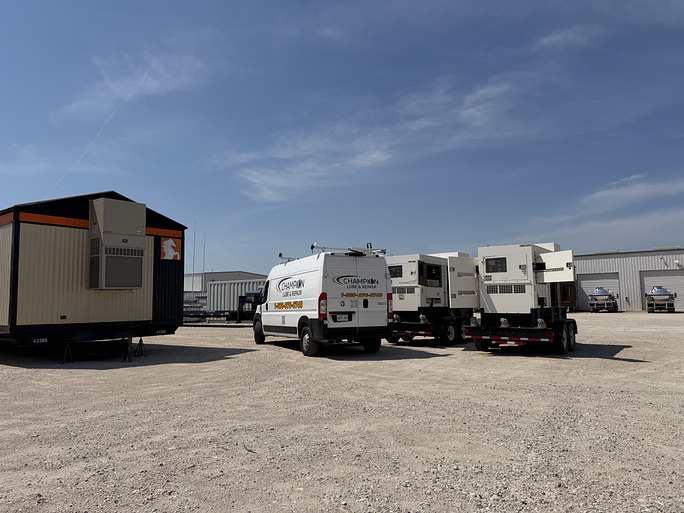
‘Champion Lube and Repair’ helps fleet owners and managers with vehicle maintenance and repair needs, helping businesses keep their vehicles in suitable operating condition.
Final Thoughts
The true cost of delayed fleet maintenance can extend beyond the immediate repair bill. Businesses may face higher repair expenses, towing premiums, vehicle downtime, idle paid labor, replacement transportation, lost contribution margin, and potentially earlier vehicle replacement.
Not every delayed repair results in a major failure, and not every maintenance expense can be avoided. However, following manufacturer recommendations, inspecting vehicles regularly, and addressing developing problems can help businesses manage maintenance costs and reduce avoidable operational disruptions.
If your fleet is due for service, do not wait for a warning light or breakdown to make maintenance a priority. Contact Champion Lube and Repair today to schedule fleet maintenance and keep your vehicles ready for the road.
FAQs
1. What is the biggest cost of delayed fleet maintenance?
There is no single biggest cost for every fleet. Depending on the vehicle and operating conditions, major expenses can include extensive repairs, emergency towing, vehicle downtime, lost productivity, and premature vehicle replacement.
2. How does delayed maintenance affect fleet vehicles?
Delayed service can allow certain mechanical problems to become more serious. It may also contribute to additional component wear, reduced reliability, unexpected repairs, and disruptions to daily operations.
3. What does deferred fleet maintenance mean?
Deferred fleet maintenance means postponing recommended inspections, scheduled services, or necessary vehicle repairs. While this may reduce immediate maintenance spending, unresolved problems can create additional expenses if they worsen or disrupt operations.
4. Can regular maintenance reduce fleet downtime?
Regular maintenance can help identify developing problems before they result in unexpected breakdowns. It also allows fleet managers to schedule service around vehicle availability and business requirements.
5. How can fleet managers reduce maintenance costs?
Fleet managers can follow manufacturer recommendations, maintain accurate service records, conduct regular inspections, monitor vehicle condition, address warning signs promptly, and schedule maintenance according to vehicle use and operating conditions.